
The timing couldn't be better. According to UK travel search data from Adido Digital, walking holidays were the biggest growth category of holiday type in 2025 — outpacing even the perennially booming cruise market and with VisitBritain forecasting 45.5 million inbound visits to the UK in 2026, with visitor spending projected to grow by 7%, the appetite for British landscapes — including the trails, fells, and coastal paths that define the walking holiday experience — is as strong as it has ever been.
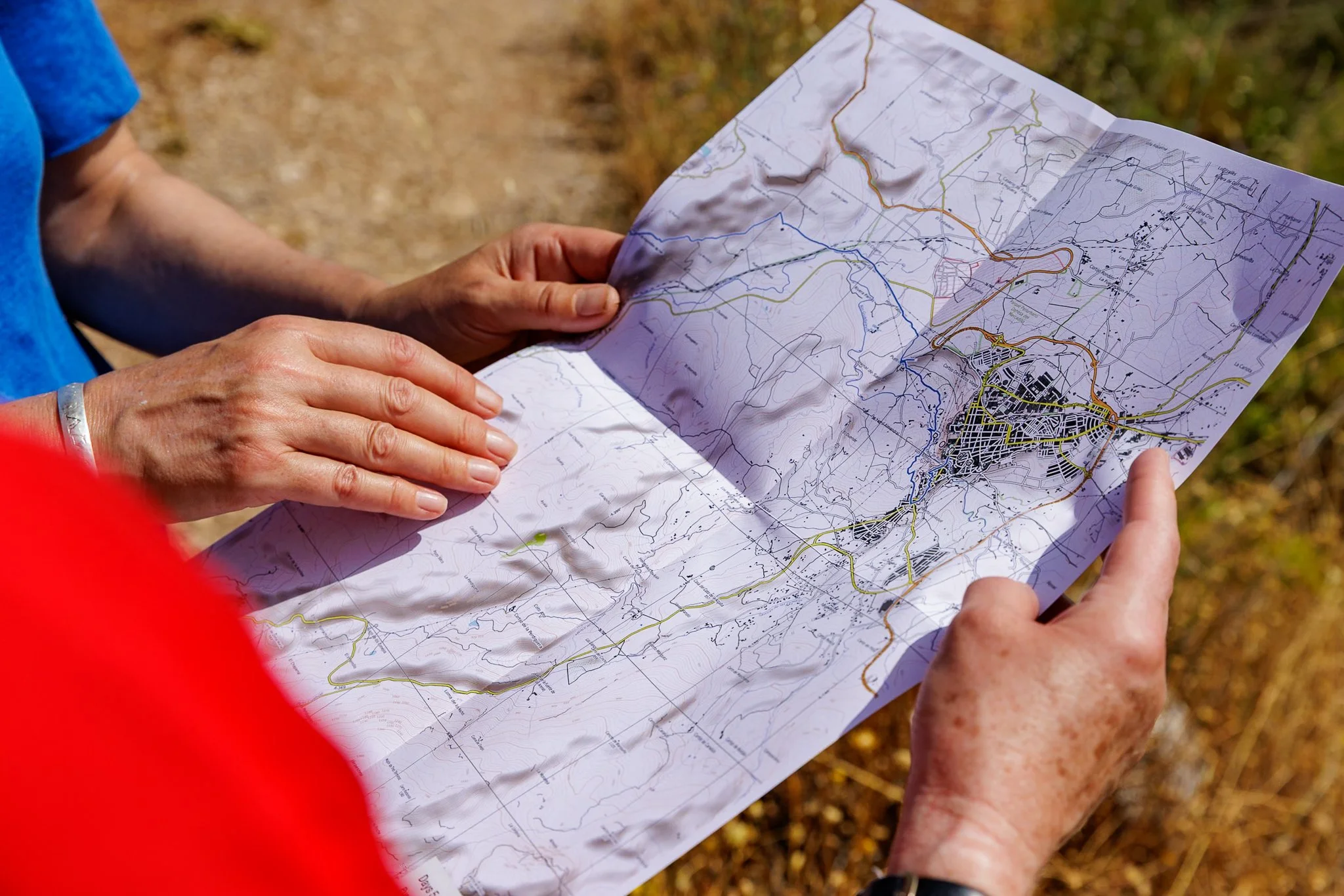
The opportunity is real. But here's the challenge: being found.
A Quick Word on Social Search
Before we get into Instagram specifically, it's worth acknowledging something that's reshaping digital marketing more broadly — and I want to be upfront here: I'm no SEO specialist. Far from it. But working within creative teams and alongside marketing professionals day to day, it's impossible not to notice the conversations that keep coming up. And one of them, increasingly, is this: social media platforms are no longer just places to post content. They've become search engines in their own right.
Ofcom's Adults' Media Use and Attitudes Report found that 43% of UK consumers now use social media platforms to search online at least once a day, with 34% using video-sharing platforms to search daily. Among Gen Z specifically, 64% use TikTok as an online search engine, with 51% preferring it over Google for information discovery. Google itself has acknowledged the shift, with one of its senior executives noting that nearly 40% of young people prefer TikTok or Instagram over Google Search or Maps for local recommendations.
TikTok, YouTube, Reddit — they're all part of this picture, and if your target audience skews younger, they absolutely deserve a place in your content strategy. That's a conversation worth having with the specialists on your marketing team — people far better qualified than me to advise on it.
For this blog, though, I'm focusing on Instagram — because it's the platform I use myself, both professionally and personally, day in and day out. It's where I shoot, where I share work, and where I've seen first-hand what resonates with travel audiences. The strategies below come from that lived experience, backed by what the research is telling us right now.
1. Stop Selling the Walk. Start Selling the Feeling.
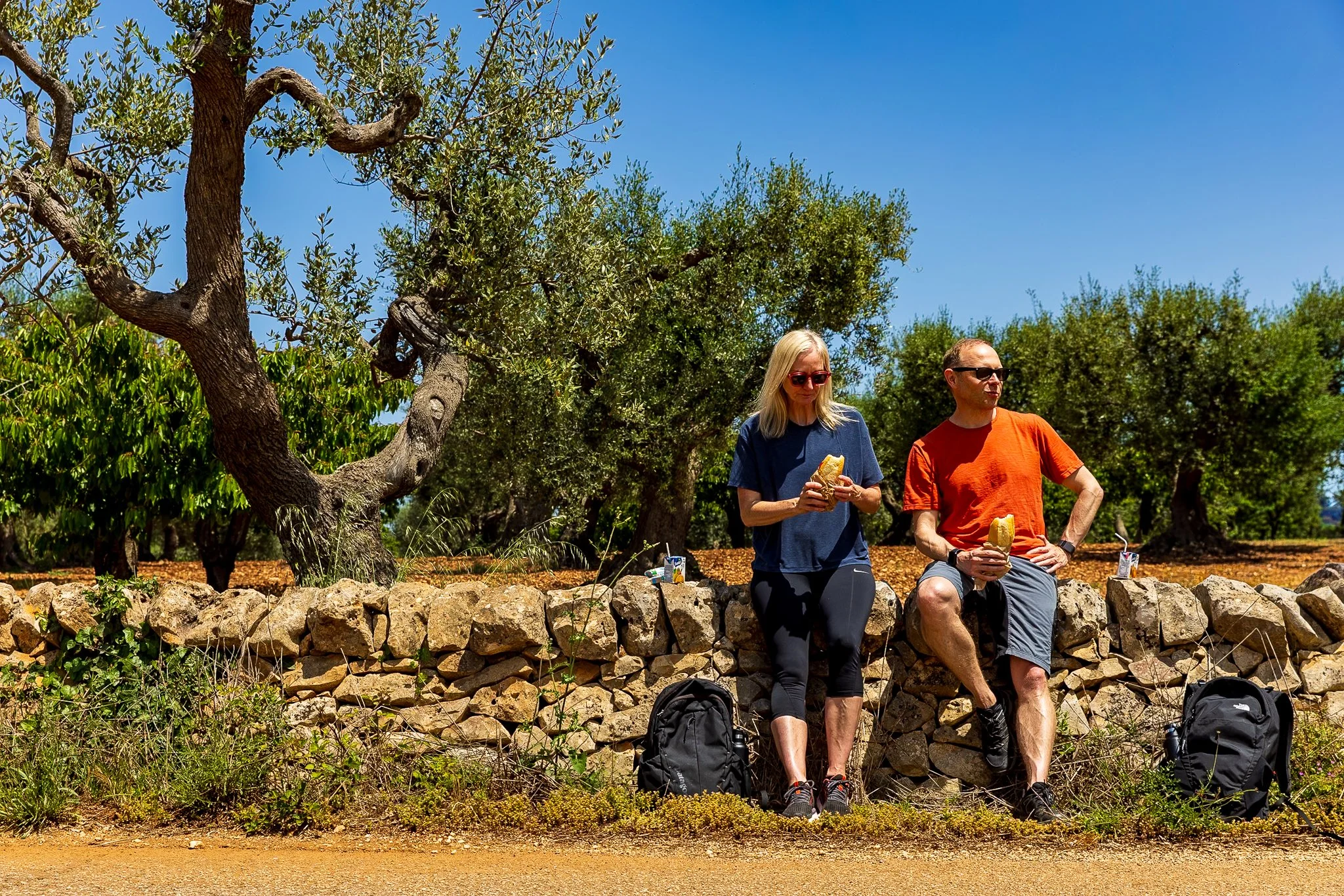
The most common mistake walking holiday brands make on Instagram is leading with the product — the route, the mileage, the itinerary. Potential customers don't book a holiday because of a map. They book because of a feeling.
In 2026, the traveller's journey from inspiration to booking often begins with a single piece of content — a misty sunrise over open moorland, the sound of wind across a ridge, the warmth of a village pub at the end of a long day. Zepic Your job isn't to describe the holiday. It's to make someone feel, for just a moment, that they're already there.
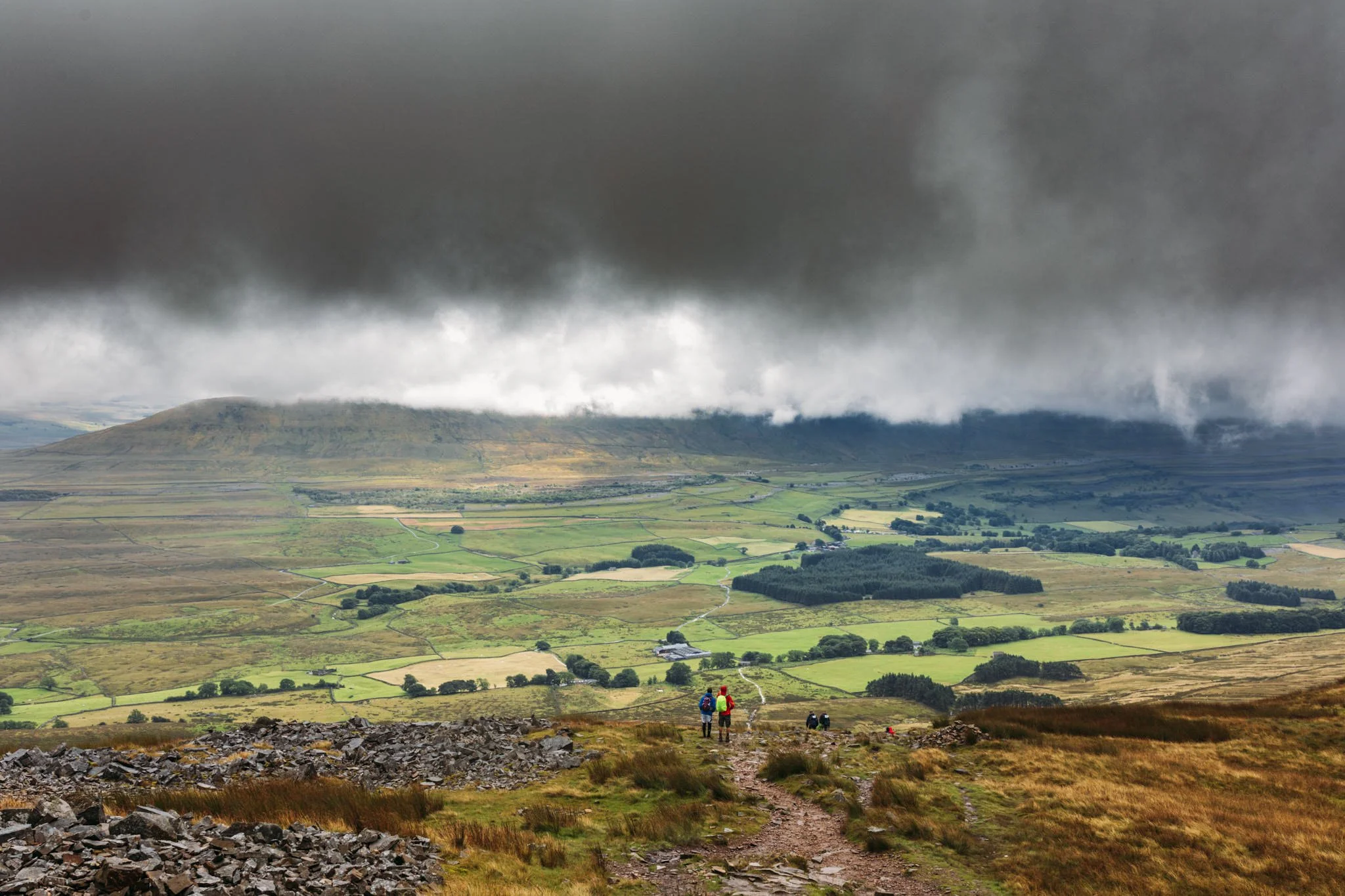
This is where professional photography and videography earns its keep. A well-composed Reel of the Yorkshire Dales at golden hour, with natural ambient sound, will outperform a promotional graphic every single time. The investment in quality content isn't a luxury — it's your most effective sales tool.
2. Optimise for Instagram Search, Not Just Hashtags
If you're still relying on a cluster of broad hashtags to get your content seen, it's time to rethink. The Instagram algorithm now prioritises content retention and search relevance — meaning specific, long-tail keywords in your captions and bio carry far more weight than generic tags.
For a walking holiday brand, this means thinking about how your ideal customer actually searches. They're not typing #hiking. They're searching for "guided walking holidays in the Lake District" or "walking breaks in North Yorkshire." Your captions, your bio, and even your alt text should reflect that language precisely.
The future of travel discovery is increasingly multi-channel, and social media search is now a core part of that mix — meaning brands need to be present and findable across every touchpoint, not just optimised for one platform. Getting your Instagram search strategy right is one of the most straightforward wins available to smaller operators.
3. Build Trust Through Authenticity, Not Perfection
In 2026, travellers are increasingly wary of the gap between social media imagery and reality. Overly polished, heavily edited content can actively undermine trust rather than build it — and brands that mix genuine inspiration with transparency are the ones building lasting loyalty.
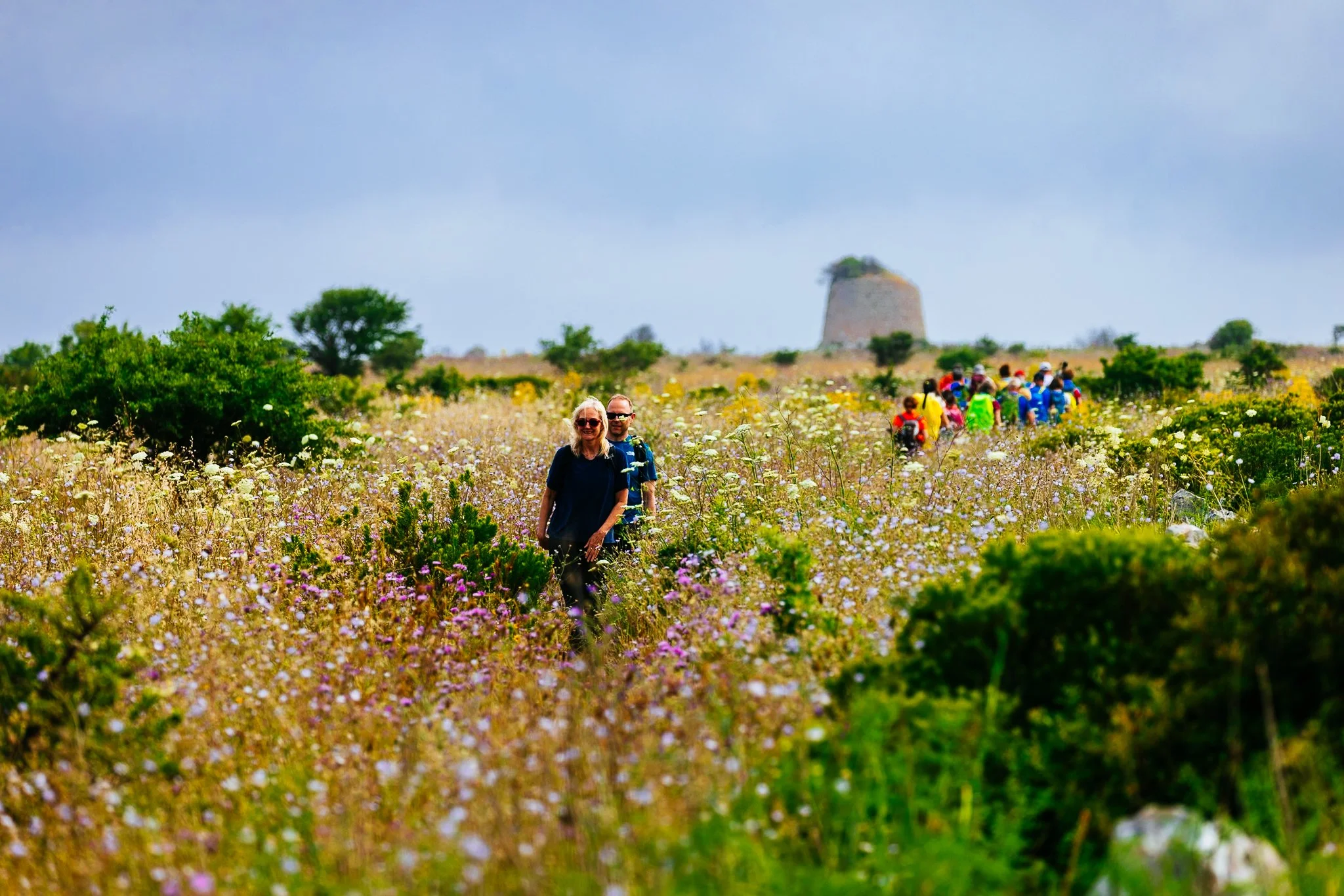
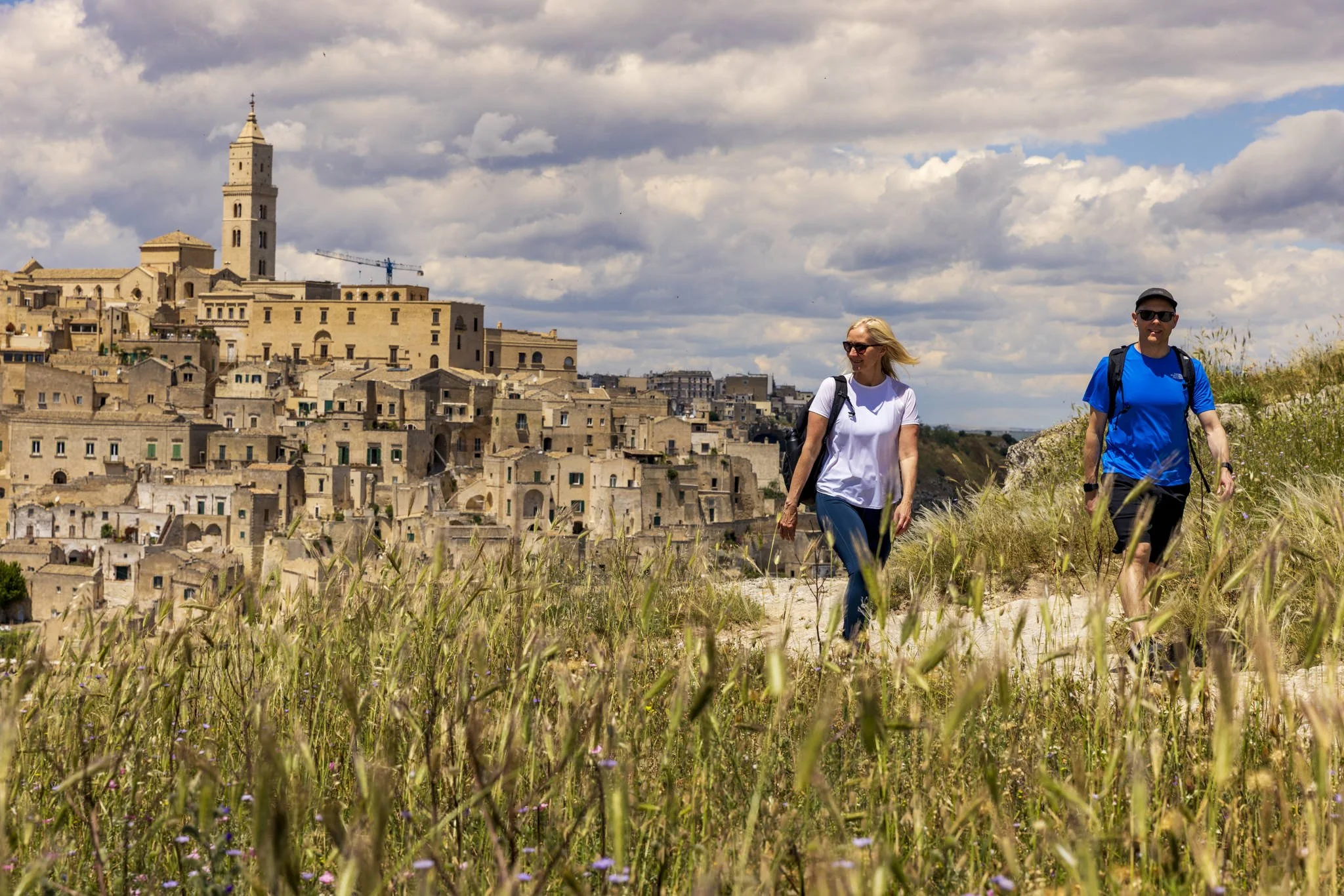
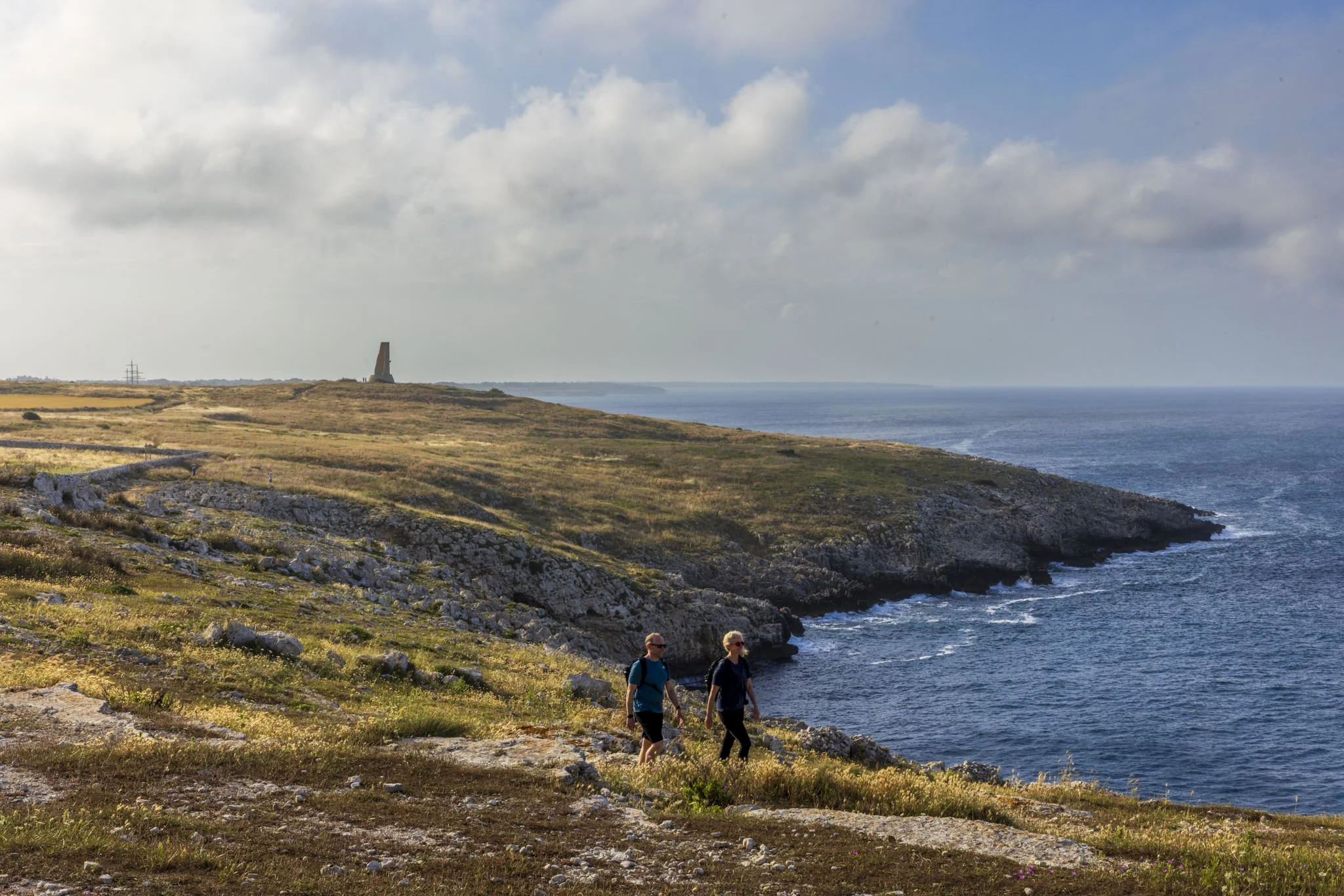
For walking holiday brands, this is genuinely good news — because your product is inherently, beautifully real. Muddy boots are fine. An overcast sky over Dartmoor is fine. A group of walkers catching their breath on a Pennine ridge is far more believable, and far more aspirational, than a pristine stock image. UK audiences in particular are not easily persuaded by creators or brands who simply claim to be authentic — they expect the content itself to demonstrate it.
This doesn't mean lowering your production standards. It means directing that quality towards honest moments rather than manufactured ones. There's a meaningful difference between rough content and real content — and the best creative teams know how to capture the latter with precision.
4. Use Reels for Reach, Carousels for Conversion
Not all content on Instagram serves the same purpose, and the most effective brands treat each format accordingly. Reels remain one of the fastest routes to reaching new audiences, particularly when the opening second is immediately relevant. Carousels, meanwhile, are the strongest format for saves and sustained engagement — ideal for step-by-step content, visual storytelling, and practical information.
For a walking holiday brand, a sensible content rhythm might look something like this: a short atmospheric Reel of a trail — immersive, led by sound and scenery — to pull in new audiences. Then a carousel following up with useful detail: what to pack for that route, the best time of year to go, what makes it different from anything else in the region. Saves are now one of the most meaningful metrics on Instagram, indicating that a traveller is actively filing your brand away for future planning. Saves drive bookings. A well-crafted carousel earns them.
5. Think in Stories, Not Posts
The walking holiday brands winning on Instagram aren't just posting content — they're building a narrative. Taking your audience along for the journey, sharing relevant information, and using your team as insider experts are among the most powerful strategies available to travel brands on the platform.
That might mean following a particular route across a season. It might mean introducing the guides and the characters behind the experience. It might mean documenting a guest's journey from nervous first-timer to confident fell walker. Whatever the thread, the principle is the same: give your audience a reason to keep coming back, not just to double-tap and scroll on.
ABTA's latest Holiday Habits data confirms that the UK travel market is entering a more experience-led phase — and walking holidays sit squarely at the heart of that shift. The brands that tell that story most compellingly on Instagram won't just build followers. They'll build bookings.

A Final Thought
None of this happens without the right visual foundations. The strategies above only work when the underlying photography and video is good enough to stop someone mid-scroll. That's the part that requires real craft — and it's the part that's worth investing in properly.
If you're a walking holiday operator thinking about your content for 2026, the question isn't whether to be on Instagram. It's whether the content you're putting out there is doing justice to the experience you're actually offering.

Sources & Further Reading
The following sources were referenced in the writing of this blog. If you'd like to explore the research and data in more detail, you'll find everything below.
VisitBritain — UK Inbound Tourism Forecast 2026 www.visitbritain.org/research-insights/inbound-tourism-forecast
ABTA — Travel Trends 2026, Holiday Habits Report www.traveldailynews.com/statistics-trends/abta-travel-trends-for-2026-highlight-shifting-uk-travel-behaviour
Adido Digital — How UK Travel Search Behaviour Changed in 2025 www.adido-digital.co.uk/travel-trends/how-uk-travel-search-behaviour-changed-in-2025
Ofcom — Adults' Media Use and Attitudes Report 2025 www.ofcom.org.uk/research-and-data/telecoms-research/adults-media-use-and-attitudes
Sprout Social — UK Social Media Statistics 2026 www.sproutsocial.com/insights/social-media-statistics-uk
Sprout Social — How Travel Influencers Are Transforming UK Tourism www.sproutsocial.com/insights/influencer-marketing-travel-tourism-uk
Tourism Review — How Travel Brands Should Modify Their Social Media Strategy www.tourism-review.com/travel-brands-change-social-media-strategy-news15273
North9 Agency — 11 Marketing Predictions for Small Travel Brands in 2026 www.north9.agency/travel-marketing-predictions-2026