
Why Walking Holidays Are Sold by Feeling, Not Itineraries — And What That Means for Your Content
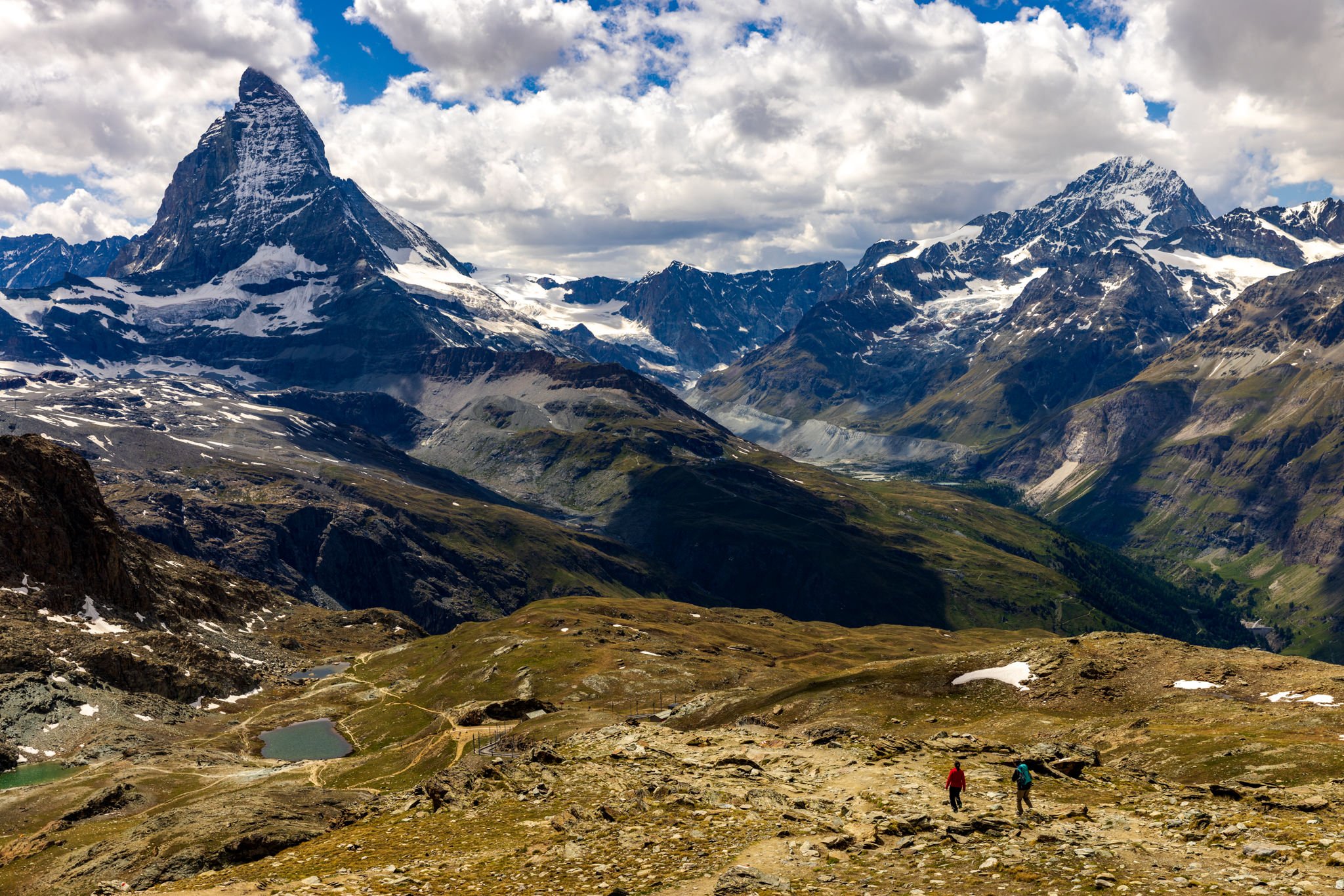
Walking holiday bookings don't begin with a brochure. They begin with a feeling — the pull of open air, the promise of a path that goes somewhere worth going, a moment of longing sparked by something seen on a screen during a lunch break or a quiet evening. Your content needs to create that feeling. And it needs to do it before a single boot is laced up.
I'll be upfront about where I'm coming from here. I'm not a marketing strategist and I'm not an academic researcher. But I do create content for travel brands professionally, and I work alongside marketing teams regularly. What I'm sharing is what I've observed from that vantage point — backed by research that I think is genuinely worth paying attention to.
The Shift That's Already Happened
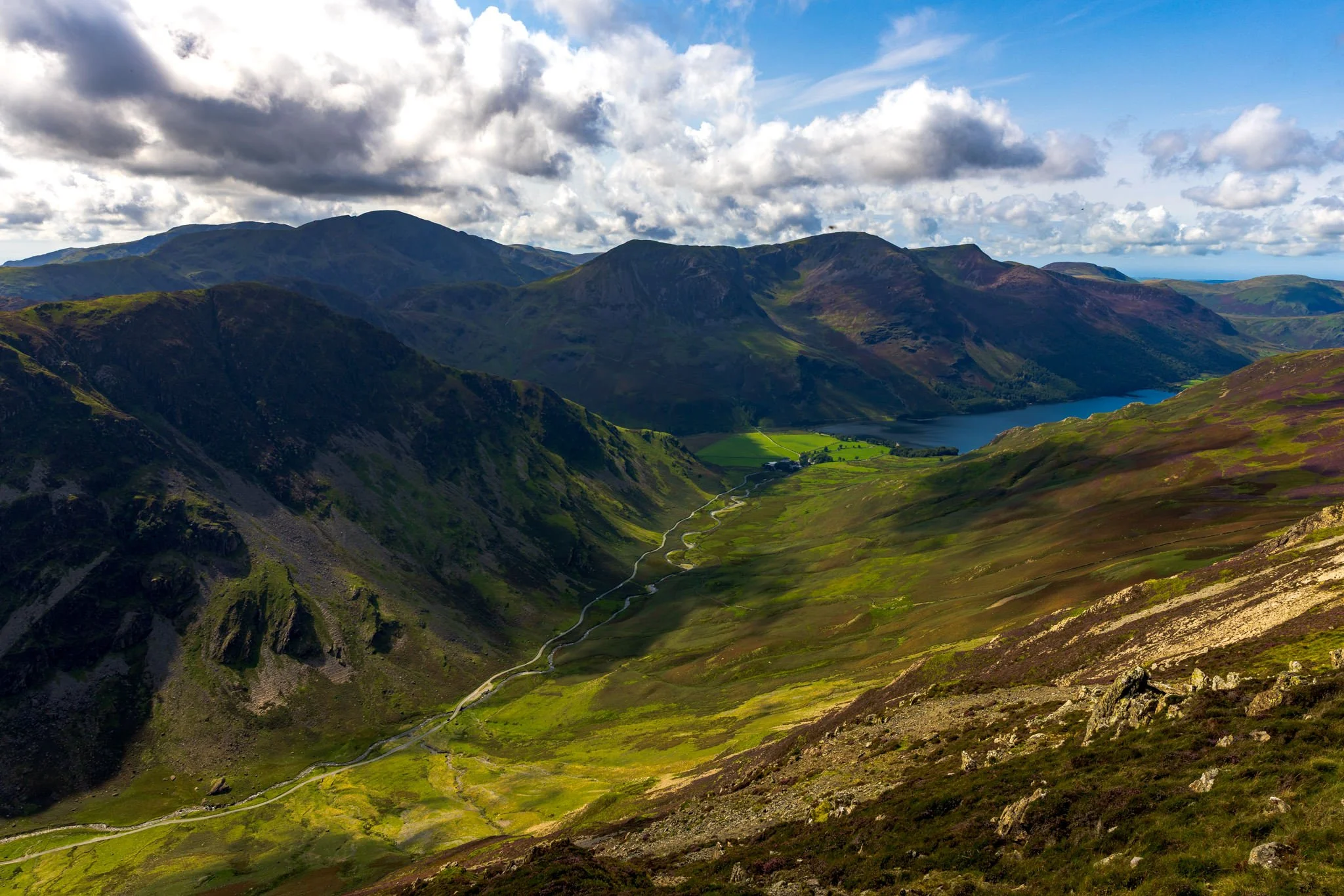
The way British travellers discover and decide on walking holidays has changed fundamentally. Research shows that images and short-form video are now the two content formats most likely to produce a conversion among travellers using social media for trip planning — with images influencing 55% of decisions and short-form video 53%. That's not a trend on the horizon. That's already where your potential customers are being won or lost.
According to a 2025 study by TUI, social media has become a primary source of holiday inspiration, with platforms such as Instagram and YouTube surfacing destinations and experiences that immediately appeal to travellers. The discovery journey is now almost entirely visual — and it begins far earlier than most walking holiday brands realise.
By the time a potential customer reaches your website or picks up your brochure, they've already formed an impression of your brand. The content they encountered on social media — or didn't encounter — shaped that impression before you had any chance to make your case. The brochure is no longer the introduction. It's the confirmation.
What Walkers Actually Want to See
Here's where many walking holiday brands make a consistent mistake. They lead with the route. The itinerary. The grade. The accommodation rating. These things matter, but they don't sell. What sells is the feeling of being there.
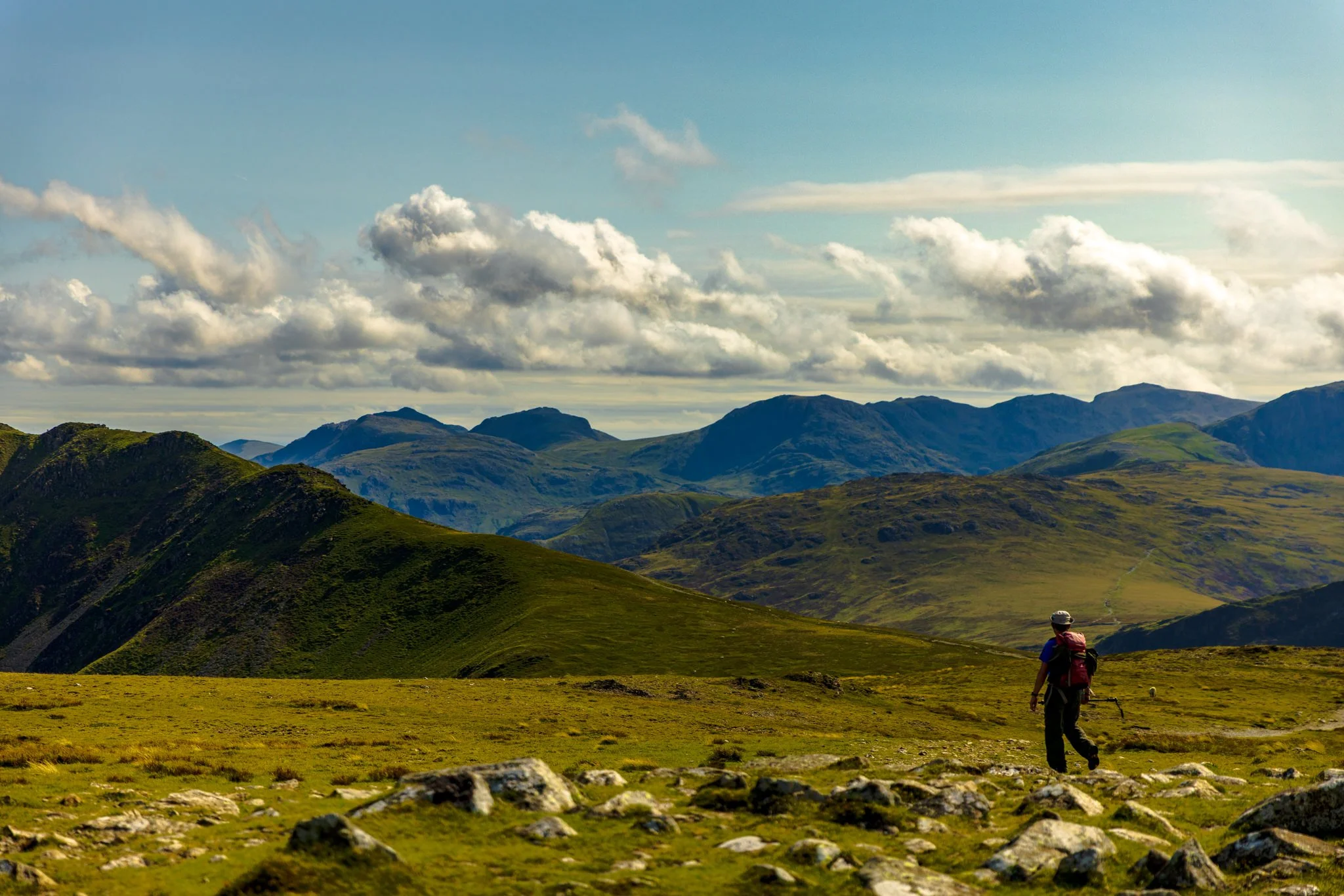
Walkers are a discerning audience. They're experienced, considered travellers who research carefully and invest meaningfully. They want to feel the quality of light on a Pennine ridge at dawn. They want to hear the quiet of a moorland path. They want to see people who look like them — not models in pristine kit — navigating real terrain in real conditions. They want to be able to imagine themselves there, and to believe that the experience on offer is as genuine as it looks.
This is precisely why stock photography doesn't work for walking holiday brands. Research by the Nielsen Norman Group found that users consistently ignore generic stock photos in favour of authentic images, while a study by Marketing Experiments found that authentic imagery resulted in a 35% higher conversion rate than generic stock photography. The argument isn't just aesthetic. It's commercial.
Brands using original photography see a 35% increase in consumer trust compared to those relying on stock imagery. For a sector where trust is everything — where customers are committing time, money, and physical energy to an experience — that difference is significant.
The Problem With Generic Landscape Shots
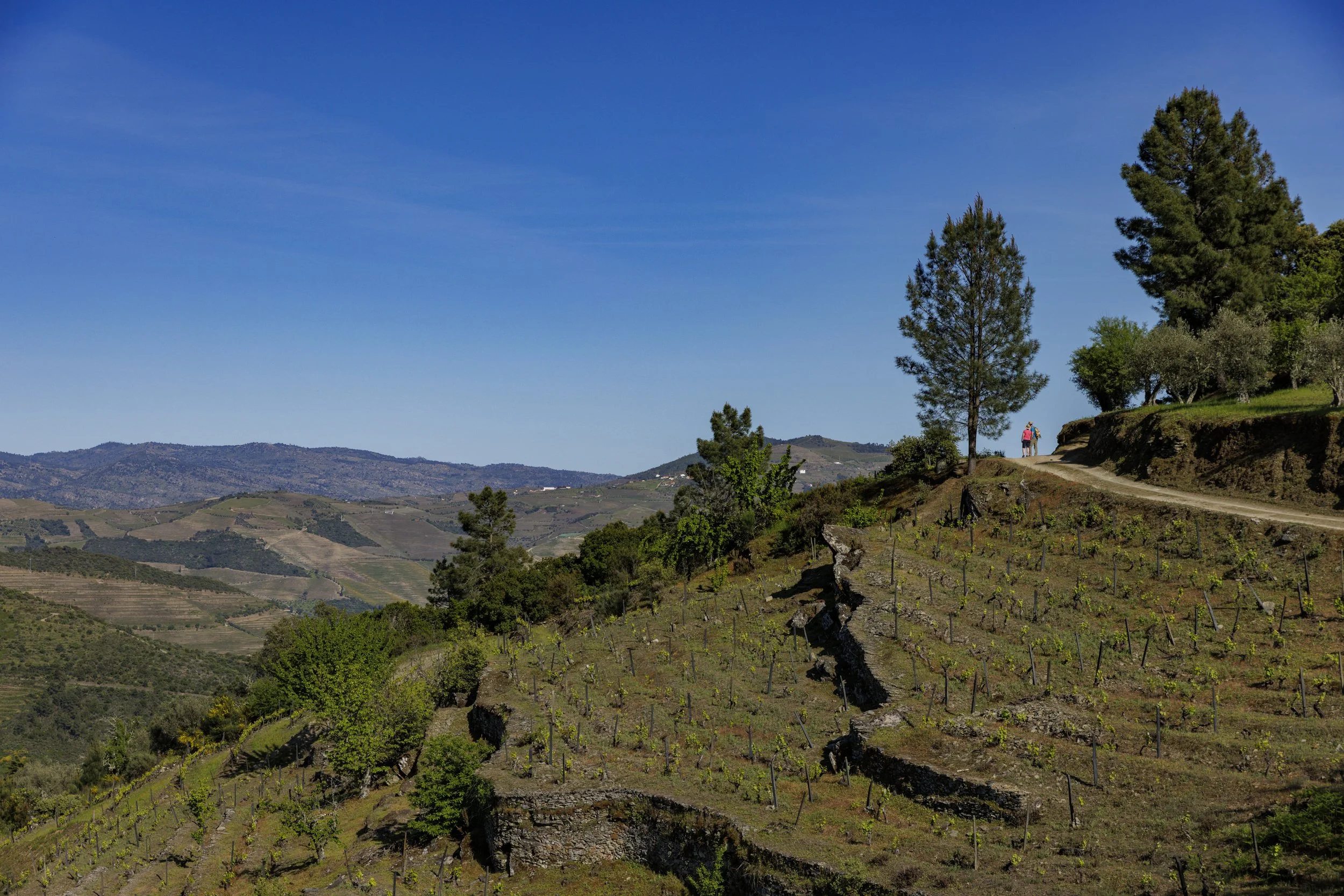
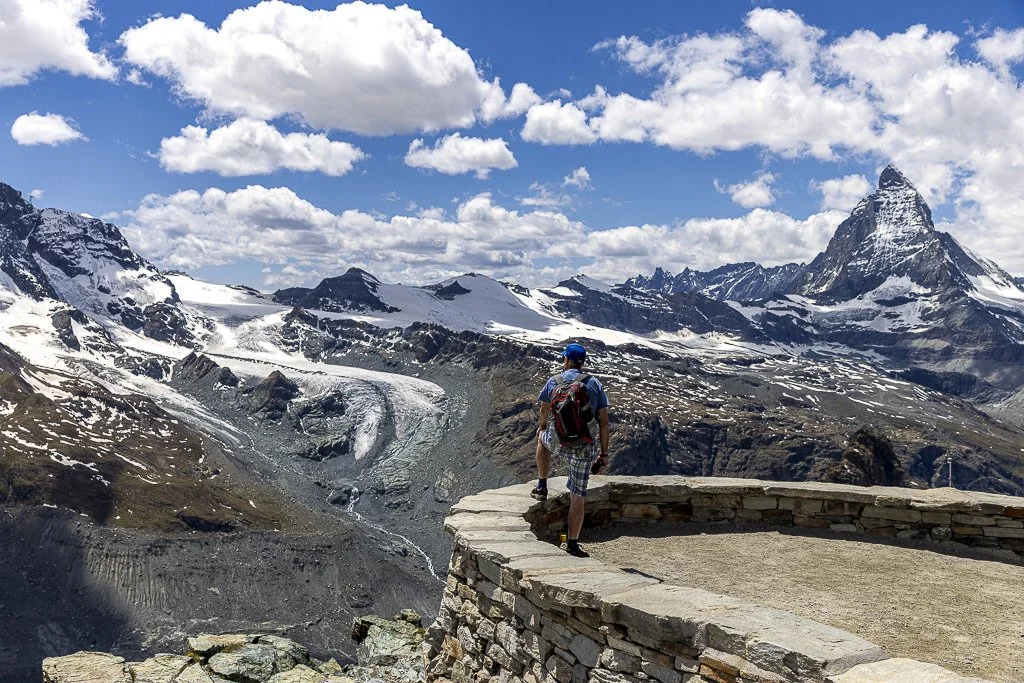
There's a particular trap that walking holiday content falls into, and it's worth naming directly. Beautiful landscape photography is not the same thing as effective walking holiday content. A sweeping aerial shot of the Yorkshire Dales is visually stunning. But it doesn't tell a story. It doesn't place the viewer in the experience. It doesn't show them the detail — the weathered stile at the edge of a field, the steam rising from a mug of tea on a bothy table, the expression on someone's face when they reach the top of a fell and turn to look back at where they've come from.
These are the moments that stop the scroll. These are the moments that make someone save a post and share it with the person they want to walk with. And these moments can only be captured on location, in real conditions, with real people, by someone who understands both the craft of photography and the specific emotional world of walking holidays.
Over 40% of 18 to 24-year-olds specifically report being influenced by visual impressions from social media when choosing their holiday destination. The walking holiday market is not static — the brands investing in genuinely evocative, authentic content now are the ones building the audiences that will sustain them over the next decade.
Feeling Sells. Itineraries Confirm.
None of this is an argument against well-written itineraries, detailed route descriptions, or clear practical information. Those things are essential — but they come later in the journey. They're for the customer who has already been moved by the content and is now doing their due diligence.
The content is the thing that moves them. A well-composed Reel of the Pembrokeshire Coast at golden hour, with natural ambient sound and real walkers in real waterproofs. A carousel of genuine moments from a guided walk in the Scottish Highlands — candid, specific, honest. A short film that captures not just the landscape but the pace of the experience, the companionship, the quiet satisfaction of a long day well walked.
Visual content is 43% more persuasive than text alone, and travellers spend on average almost a full minute browsing photographs before deciding whether to continue exploring a listing. That minute — that sustained engagement with your imagery — is the moment your brand is being judged. Not by your itinerary. Not by your star ratings. By how your photography makes someone feel.
Invest in content that earns that minute. Because the brands that do are the ones that convert browsers into bookers.
SOURCES & FURTHER READING
VisitBritain — Decision Making Process and Booking Behaviour www.visitbritain.org/decision-making-process-and-booking-behaviour
Sprout Social — Influencer Marketing in UK Travel and Tourism www.sproutsocial.com/insights/influencer-marketing-travel-tourism-uk
TUI Travel Study 2025 — Social Media as Holiday Inspiration Source www.tui.com/research
Mintel — UK Holiday Rental Property Market Report 2025 www.mintel.com
Travel Professional News — Social Media's Evolving Role in Travel www.travelprofessionalnews.com/social-medias-evolving-role-in-travel