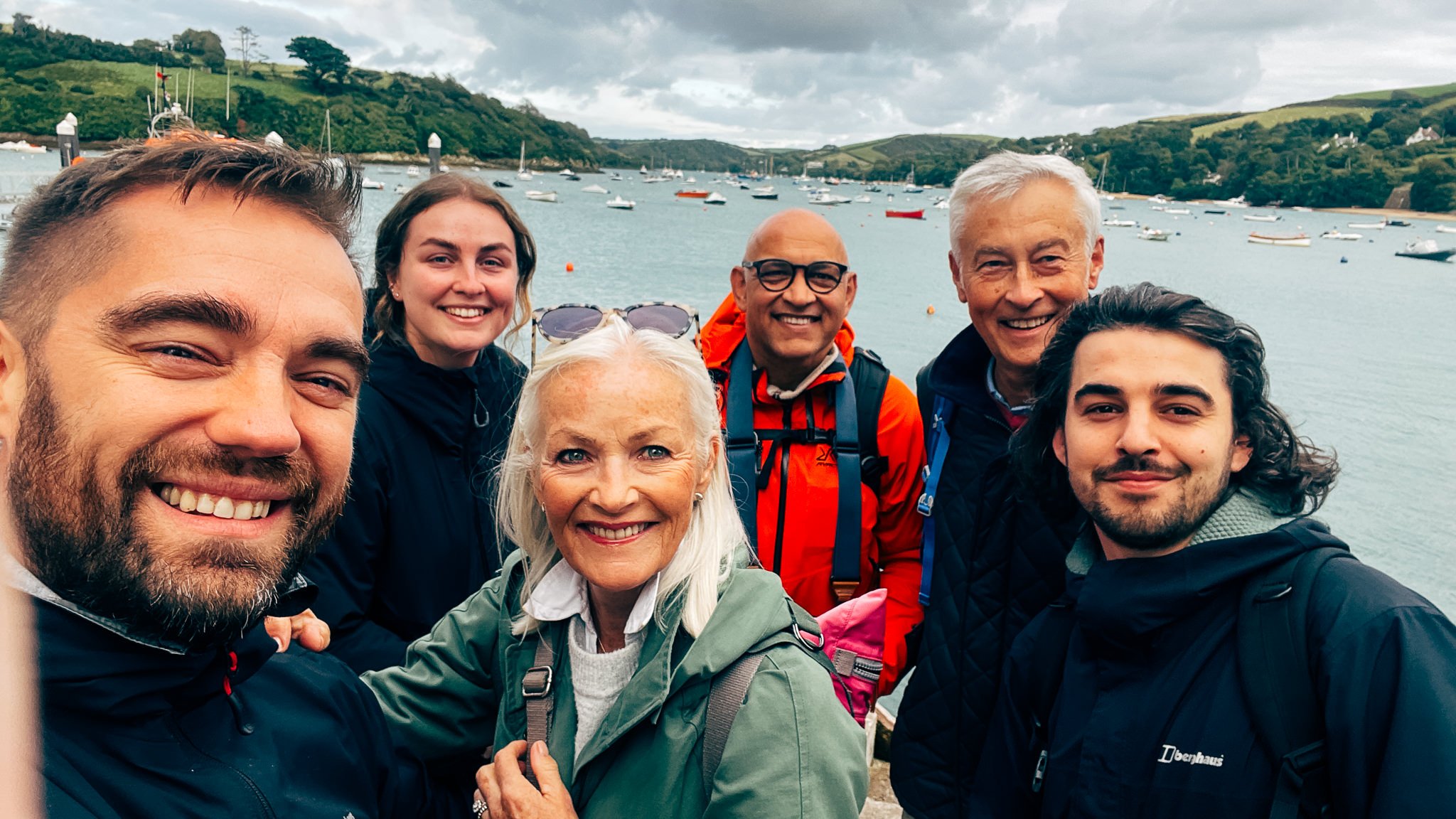
On the Trail, On the Train, On the River: Filming Travel When You’re Part of the Trip
Overseas travel shoots have a funny way of reminding you who’s really in charge. It’s rarely the call sheet. It’s the tide table, the timetable, the cloud that parks itself over the view you’ve been talking about for weeks. And when the job is to capture a holiday that’s built around movement—walking holidays, rail holidays, river cruises—you’re not just filming a place. You’re filming the act of getting through it, one leg at a time, with all the small frictions and quiet rewards that make people book in the first place.
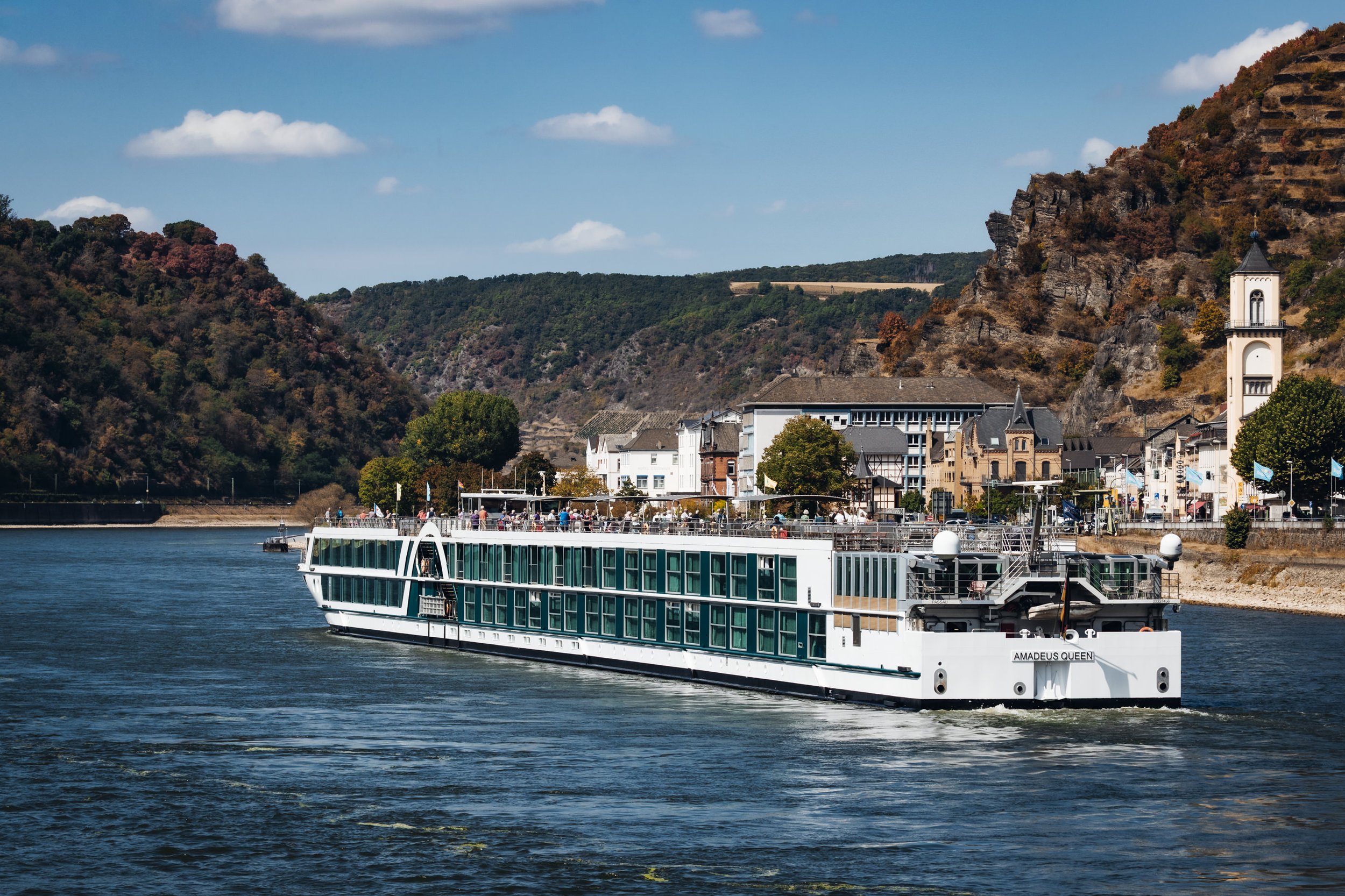
A lot of the time we’re travelling as part of the holiday while we shoot. That’s true whether it’s a walking holiday overseas, a rail journey itinerary with multiple connections, or a river cruise that glides through a new town each morning. You’re not arriving, grabbing the hero shots and disappearing. You’re checking in, sharing transfers, carrying a day pack, waiting on platforms, chatting in lobbies, moving at the same pace as the trip itself. The camera becomes less of an announcement and more of a companion—present, but not in the way.
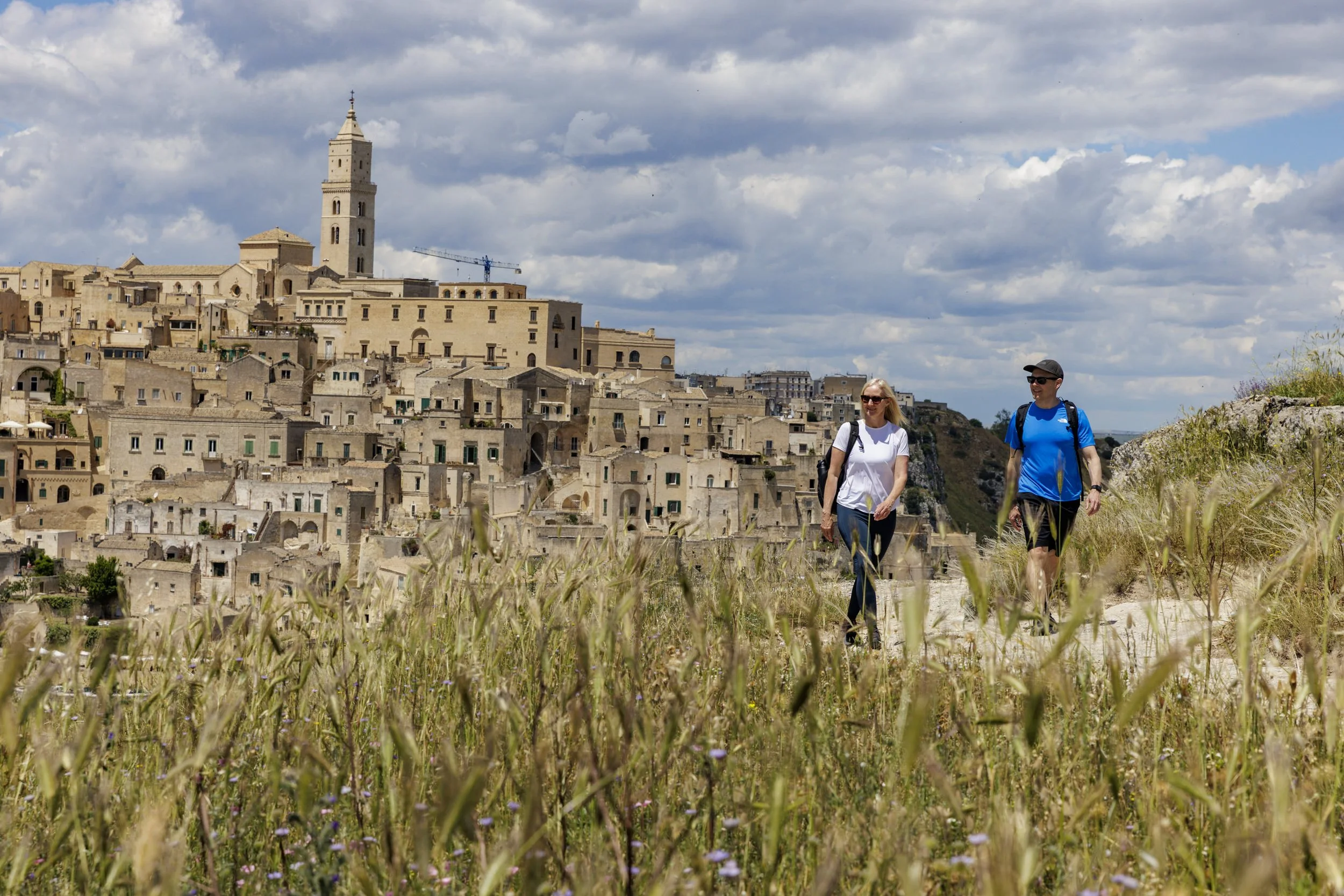
Walking holiday filming is the purest version of this because the story is literally step by step. The challenge isn’t just getting a big view; it’s showing progress without making it look like a military operation. We learned quickly that the “best” plan only survives if it has a second plan sat right behind it. Weather turns, paths divert, a ridge that was meant to be clear becomes a white-out. The way through is simple: keep the team small, keep the kit lean, and keep alternatives close. We’ll map out micro-locations near each stage—sheltered corners, short spurs, indoor stops with character—so when the sky does what it likes, the day still has shape. Trail textures become your best friend: boots on gravel, hands on waymarkers, steam off a flask, a map on a café table. Those details hold everything together when the horizon disappears.
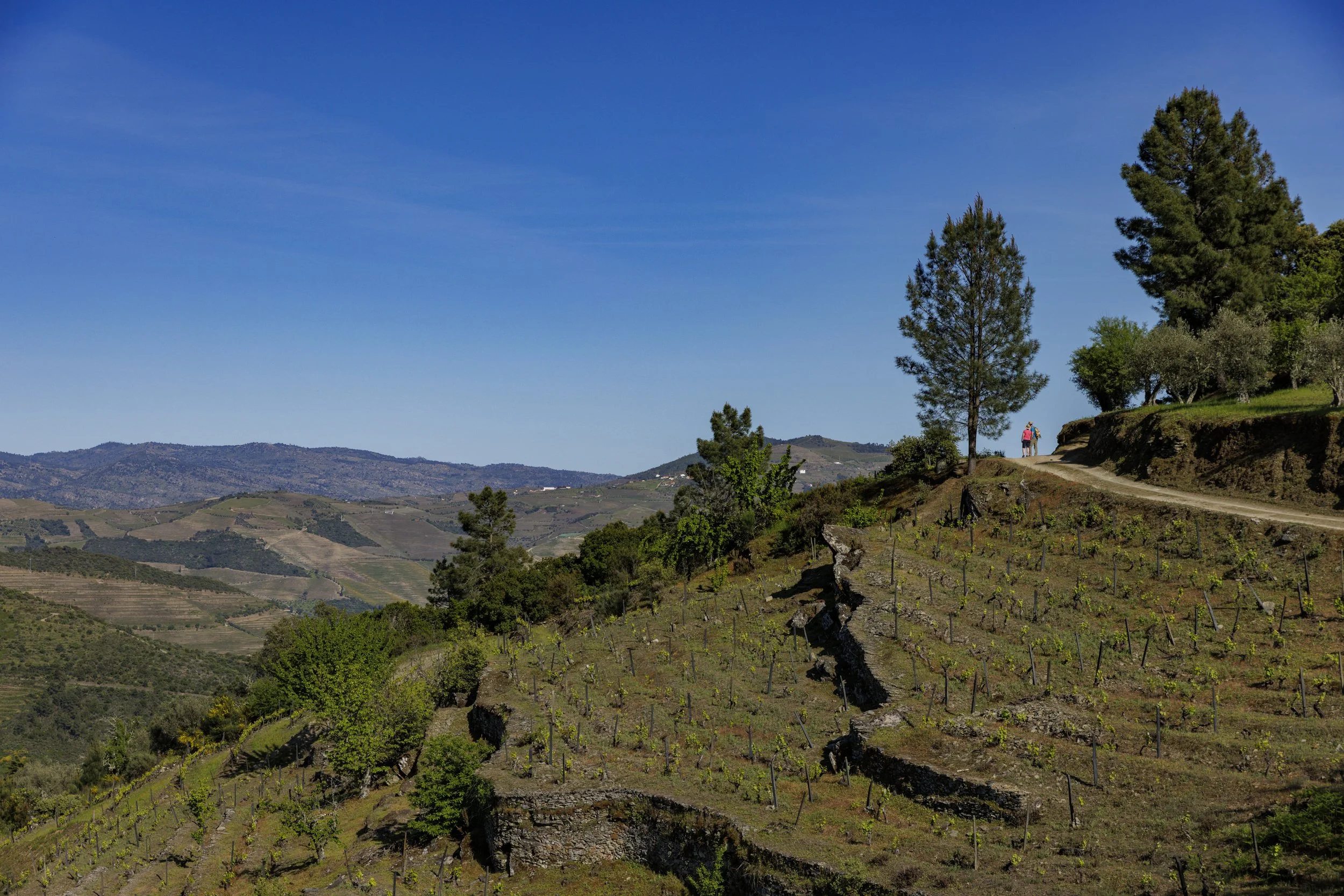
On multi-day routes, the bit many people forget is that walking isn’t the only movement. There are transfers, baggage drops, the little in-between moments that make the itinerary feel doable. From a production perspective, those beats are gold. A bus pulling up at a trailhead, a bag being tagged, a key handed over at the next stop—these clips don’t need perfect weather and they quietly answer the viewer’s unspoken question: “How does this actually work?” They also help with continuity in the edit. If day three’s summit is swallowed by cloud, you can still tell the truth of the trip and keep the pace feeling intentional—useful when you’re building evergreen travel content that needs to work beyond a single season.
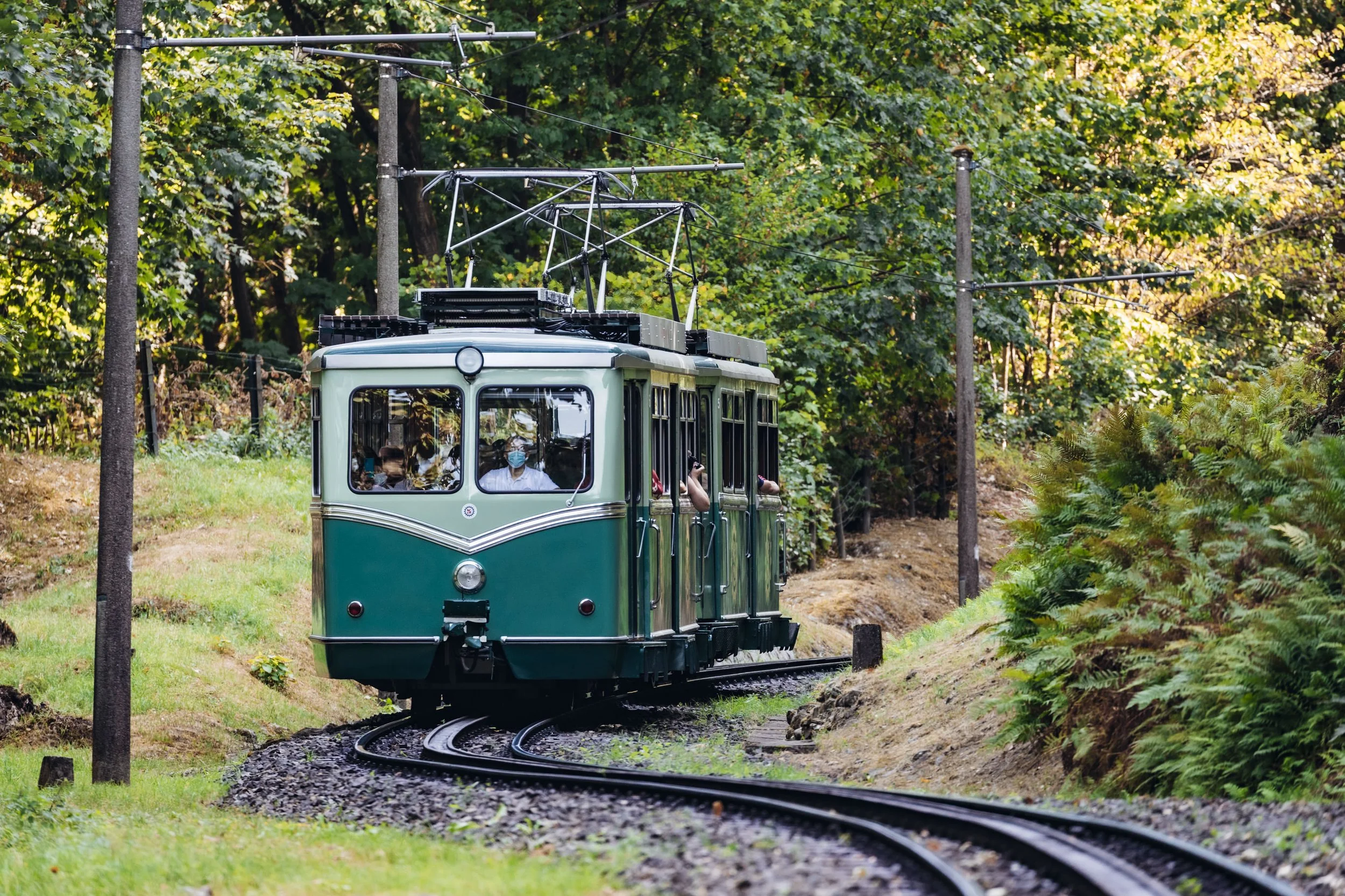
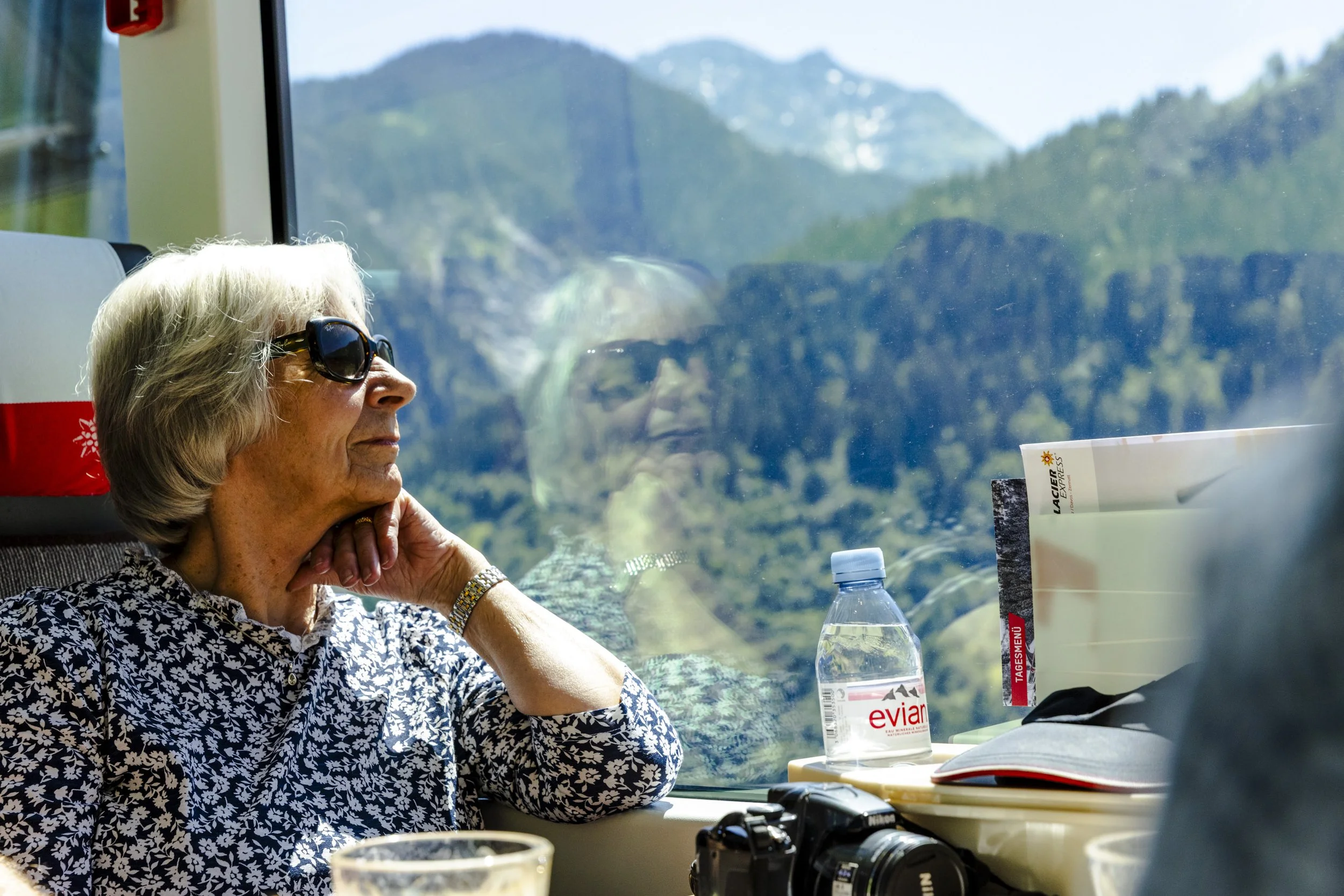
Rail holiday filming brings a different kind of rhythm. The journey is the point, but you can’t film trains like you film cars—you don’t get to pull over, you don’t get a second take, and you definitely don’t get to treat a carriage like a studio. The whole approach becomes about being passenger-first: a discreet setup, clear etiquette, and a plan to move through a space without turning it into a set. Timetables become your friend rather than your enemy. If a connection is tight, you don’t gamble the day on heroics; you build your shots around what the trip already gives you—platforms, signage, luggage, that hush in the corridor when the train settles into its stride. The good stuff is often quiet: light through a window, hands on a guidebook, the soft clatter over a viaduct. It’s not flashy, but it’s the feeling people remember.
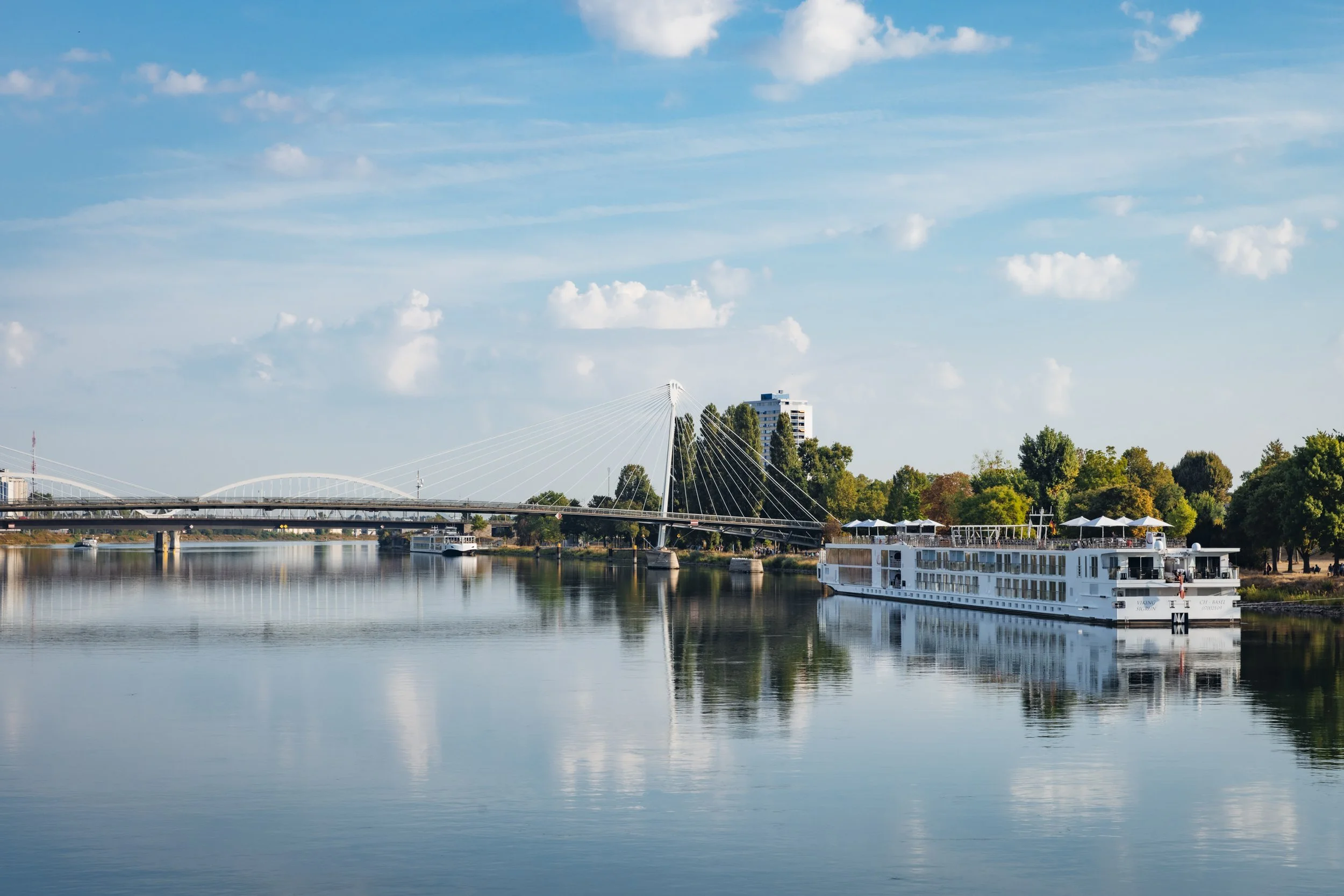
River cruise filming sits at the opposite end of the tempo. Everything is slower, steadier, and strangely precise. The route moves, but you’re living inside it. From a shooting point of view, the biggest trick is working with the ship’s natural rhythm—morning approaches, afternoon excursions, evenings when the deck empties and the water turns glassy. You can do a lot with very little kit if you’re observant: reflections, wake patterns, ropes, cabin details, city skylines arriving almost politely. There’s also a different kind of teamwork on a cruise. Even on a solo shoot, you’re never really alone—crew members know when the best bend is coming or where the clean line of sight is just before docking. The production becomes a quiet collaboration with the people who run the trip.
When the job combines travel and filming—especially with tour operations where you’re embedded in the holiday—you learn to stop fighting the real world. Busy hotel lobbies, shared transfers, popular pools, crowded promenades… that’s not “in the way,” it is the experience for many guests. Production becomes a game of timing and patience: roll thirty seconds after the rush, find the angle that keeps privacy intact, let the space breathe, keep everything respectful. You still get what you need, but the footage feels lived-in rather than staged.
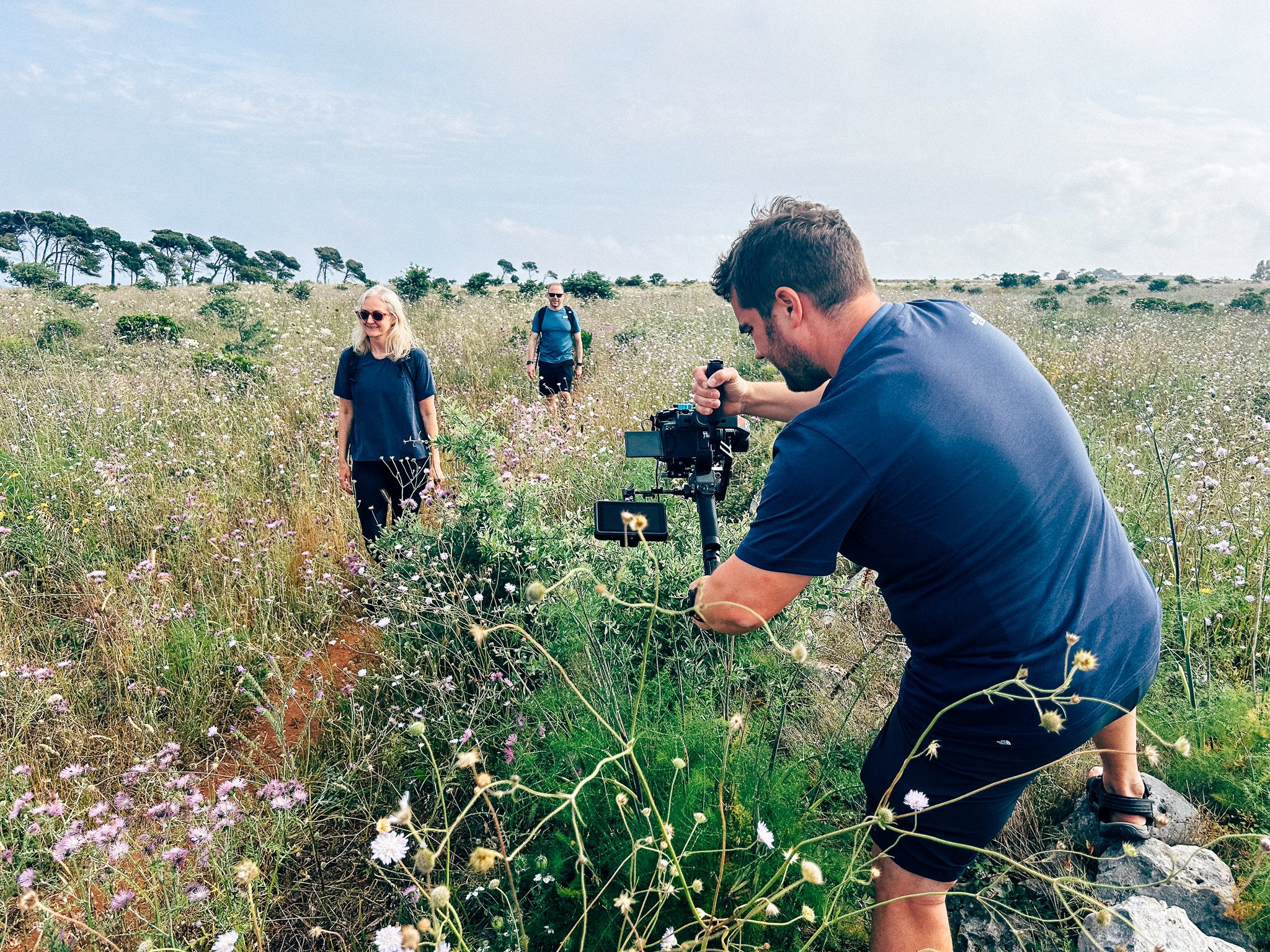
Across all these formats—walking, rail, river—the common thread is small, agile production teams and a mindset that’s more travel companion than film crew. It means packing like you’re moving every day (because you are), backing up footage like it’s your passport (because it might as well be), and keeping the plan flexible enough that a weather swing or a timetable change doesn’t flatten the story. It also means collecting the kind of material that lasts: details, atmospheres, genuine moments of movement and pause. Evergreen content for travel companies isn’t made by chasing trends; it’s made by capturing things that don’t date—light, texture, routine, place, and people enjoying where they are.
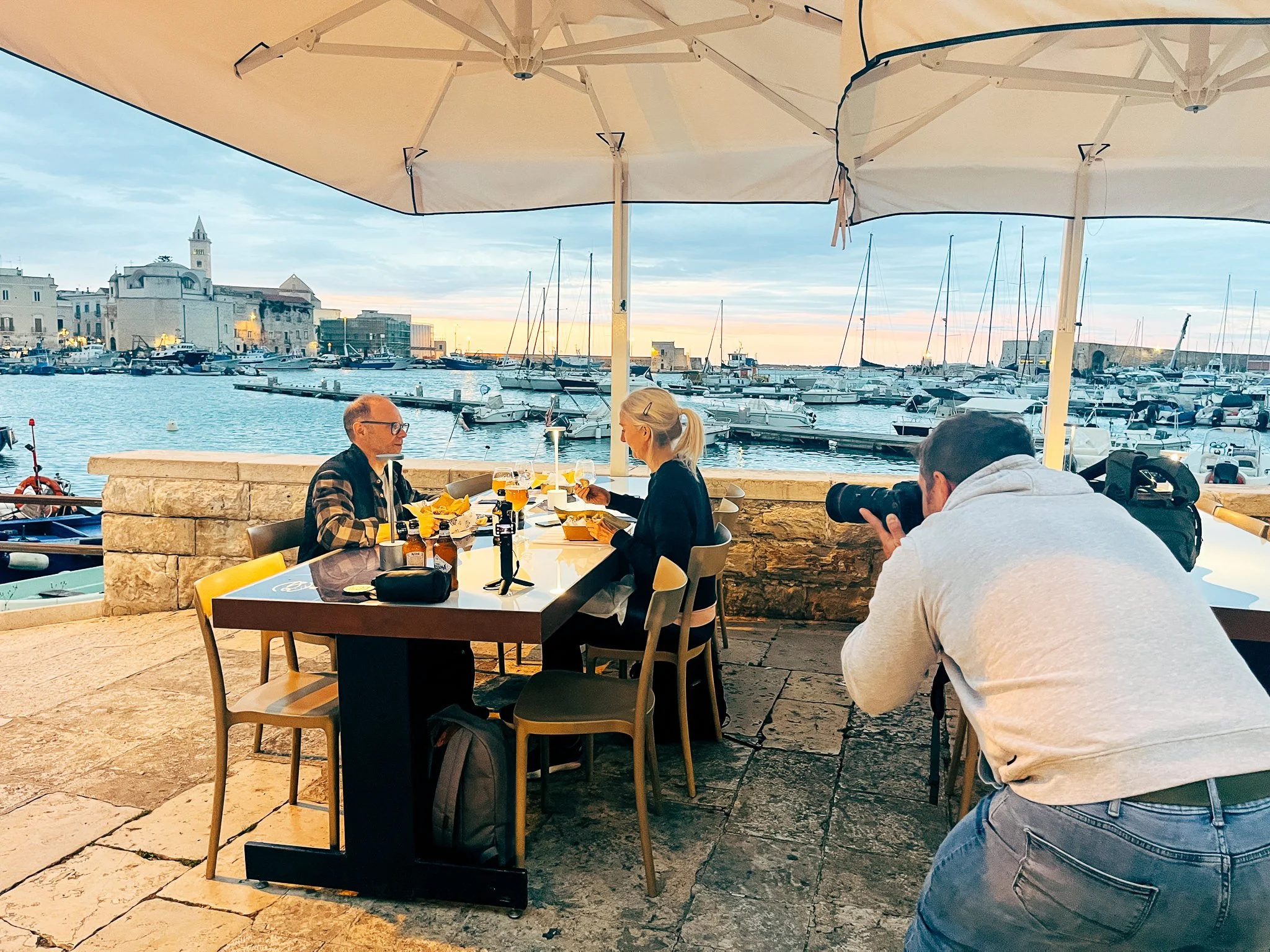
And there’s a simple truth underneath all the logistics. These trips are enjoyable to film because they’re enjoyable to be on. You walk into a village you didn’t know, you watch a landscape unspool through a train window, you drink tea on a deck while a city appears ahead. The challenges are real—permits, rules, weather, fatigue, connections—but they’re part of what makes the finished work feel honest. When you’re embedded in the journey, you don’t just record a holiday. You experience it, and the camera ends up carrying that back for everyone else.