Most creative briefs arrive with a clear deliverable attached. Film this. Photograph that. Document this project milestone. The brief tells you what to make, and you make it.
Customer journey content for rail operators feels like it should work the same way. But talk to anyone who commissions it seriously, and a different picture emerges.
The challenge isn't technical. It's strategic. And if you're a comms manager or marketing lead at a train operator, you probably already know that the hard part isn't finding someone who can hold a camera on a moving train. It's finding a production partner who understands what the content actually needs to do — and how to make it work consistently, across every touchpoint of a journey that begins long before a passenger steps onto a platform.
The journey starts earlier than you think
A rail passenger's experience doesn't begin at the station. It begins the moment they decide to travel — checking options, reading reviews, forming an expectation of what the journey will feel like.
That expectation gap — between what a passenger imagines and what they actually experience — is arguably where customer journey content does some of its most important work. Done well, it closes the gap before it opens. It sets accurate expectations, builds confidence in the brand, and reduces the friction that might otherwise turn a minor inconvenience into a complaint.
Done poorly, it makes promises the operation can't keep.
That distinction seems to matter more for rail than for many other sectors. A train journey is shared, time-bound, and largely outside a passenger's control. They can't opt out mid-journey if it doesn't meet expectations. The content that represents that journey may carry a weight of responsibility that a hotel campaign or a destination video doesn't quite have in the same way.
What makes rail content specifically difficult to produce well
A few production challenges appear specific to rail — or at least more acute than in other sectors — and they're worth thinking through.
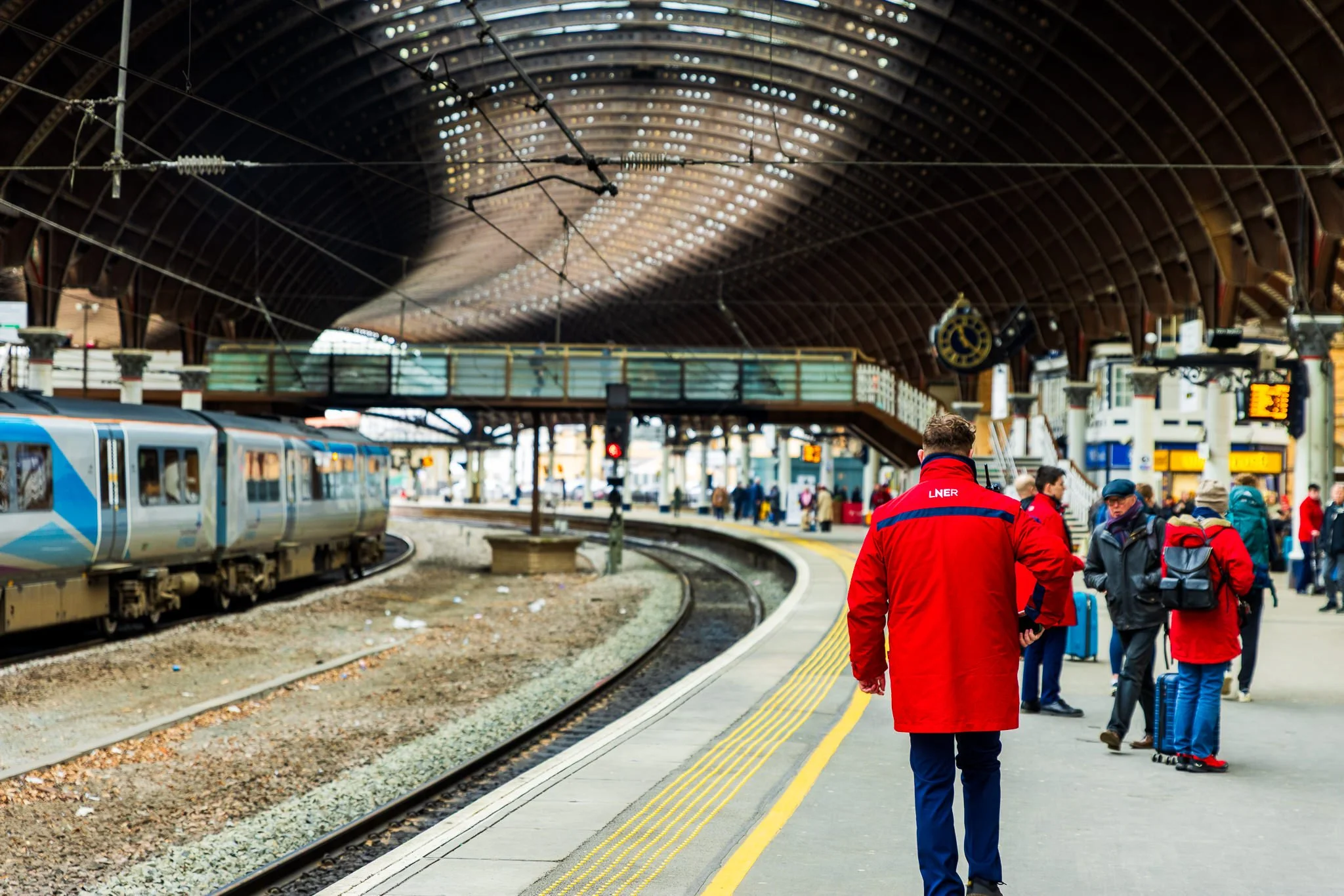
The first is environment. A working train is a constrained, moving, acoustically challenging space. Light changes constantly. Background noise is significant. And the environment is live — real passengers, real staff, real operations running alongside any shoot. That seems to call for a production approach that's genuinely unobtrusive, technically precise, and operationally aware.
The second is authenticity. Passengers are perceptive. Most can tell the difference between content that shows a real journey and content that shows a version of a journey that nobody actually has. Overly polished visuals, suspiciously empty carriages, staff who don't quite look at home — these details have a way of eroding trust rather than building it. The content probably needs to feel true because it is true.
The third is consistency. A train operator serves an enormous range of journeys — different routes, seasons, passenger types, times of day. A single campaign shoot captures one version of one journey. The content strategy presumably needs to account for that breadth — which means thinking carefully about which stories are worth telling, to whom, and when, rather than producing one flagship piece and expecting it to carry everything.

Experience that transfers
This perspective doesn't come from rail credits — it comes from working in environments where similar production challenges present themselves in different forms.
At National Highways, we've produced customer journey and communications content for one of the UK's largest transport organisations — content that needed to represent a real operational experience to a public audience with well-formed expectations and very little patience for anything that felt staged. The environment was live, the logistics were complex, and the content carried reputational weight. The production discipline that requires feels relevant here.
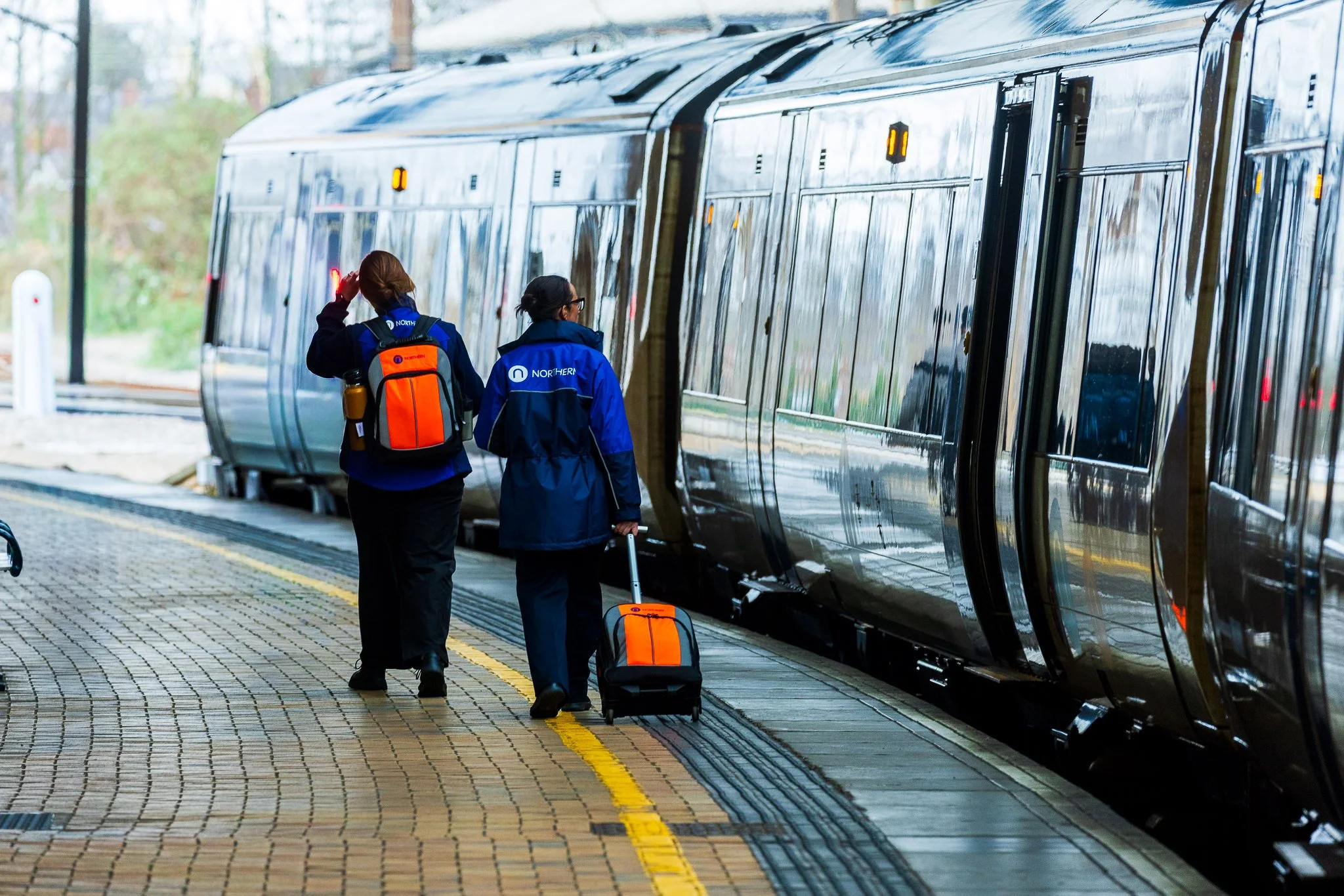
On the employer brand side, we've worked at scale for a major UK travel operator — representing a large, multi-role workforce authentically across a sustained content programme. The challenge of showing what an organisation genuinely looks like from the inside, without flattening it into something generic, is a challenge that seems equally present for rail operators. The sector changes. The underlying problem doesn't.
Employer brand sits alongside this — and it has its own requirements
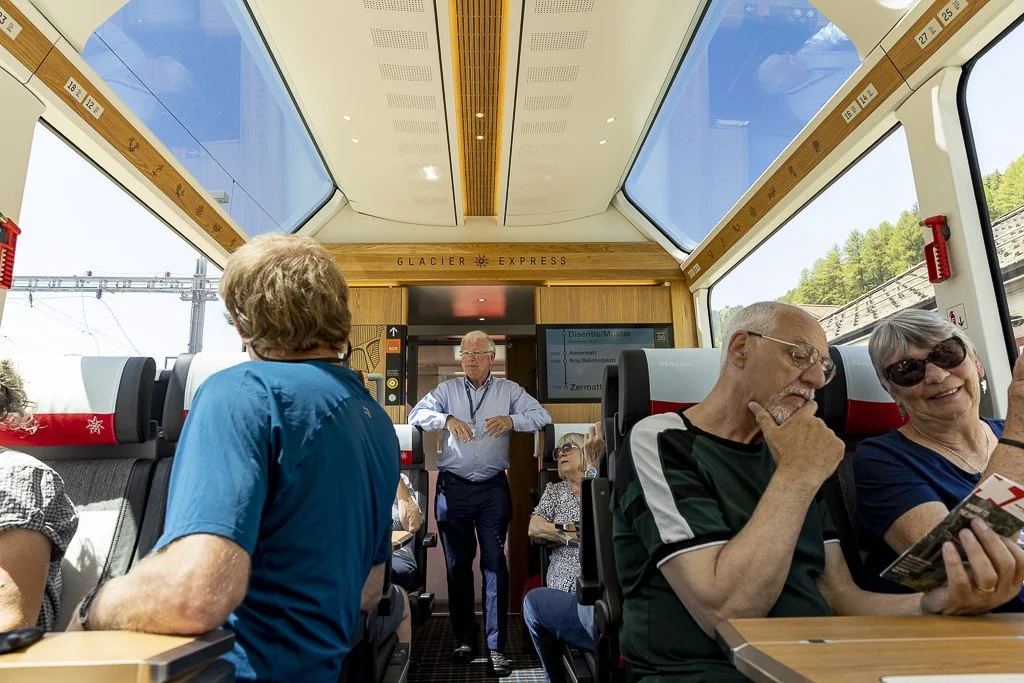
Customer journey content and employer brand content look different but tend to share the same underlying difficulty. Both need to represent an organisation authentically to an audience that's developed pretty good instincts for when something feels produced rather than real.
For a rail operator, employer brand content probably needs to do more than show a friendly face and a decent canteen. The rail workforce is genuinely complex — front-line customer service, engineering, operations, planning, technology. Content that flattens that range into a generic "great place to work" narrative risks losing what makes it interesting, and losing the people it's trying to attract in the process.
Getting that right seems to require the same thing good customer journey content requires. A production partner who takes the time to understand the organisation before picking up a camera. Who asks the right questions. And who builds content that serves a communications objective rather than just fulfilling a brief.
What a production partner needs to bring to this
Beyond technical capability — and that matters — a rail operator commissioning this kind of content likely needs a partner who brings a few specific things. A genuine curiosity about the sector and the questions worth asking. A production process that handles compliance, logistics, and operational coordination without adding to the client's workload. And a content strategy that thinks beyond the individual shoot to the broader programme of stories worth telling across the year.
If you're thinking about customer journey or employer brand content for a rail operation — whether that's a campaign, a stakeholder piece, or something more sustained — we're happy to have a proper conversation about what the right approach might look like.