
From the First Cohort to the Panel: What Reignite Reminded Me About Building a Business in Yorkshire
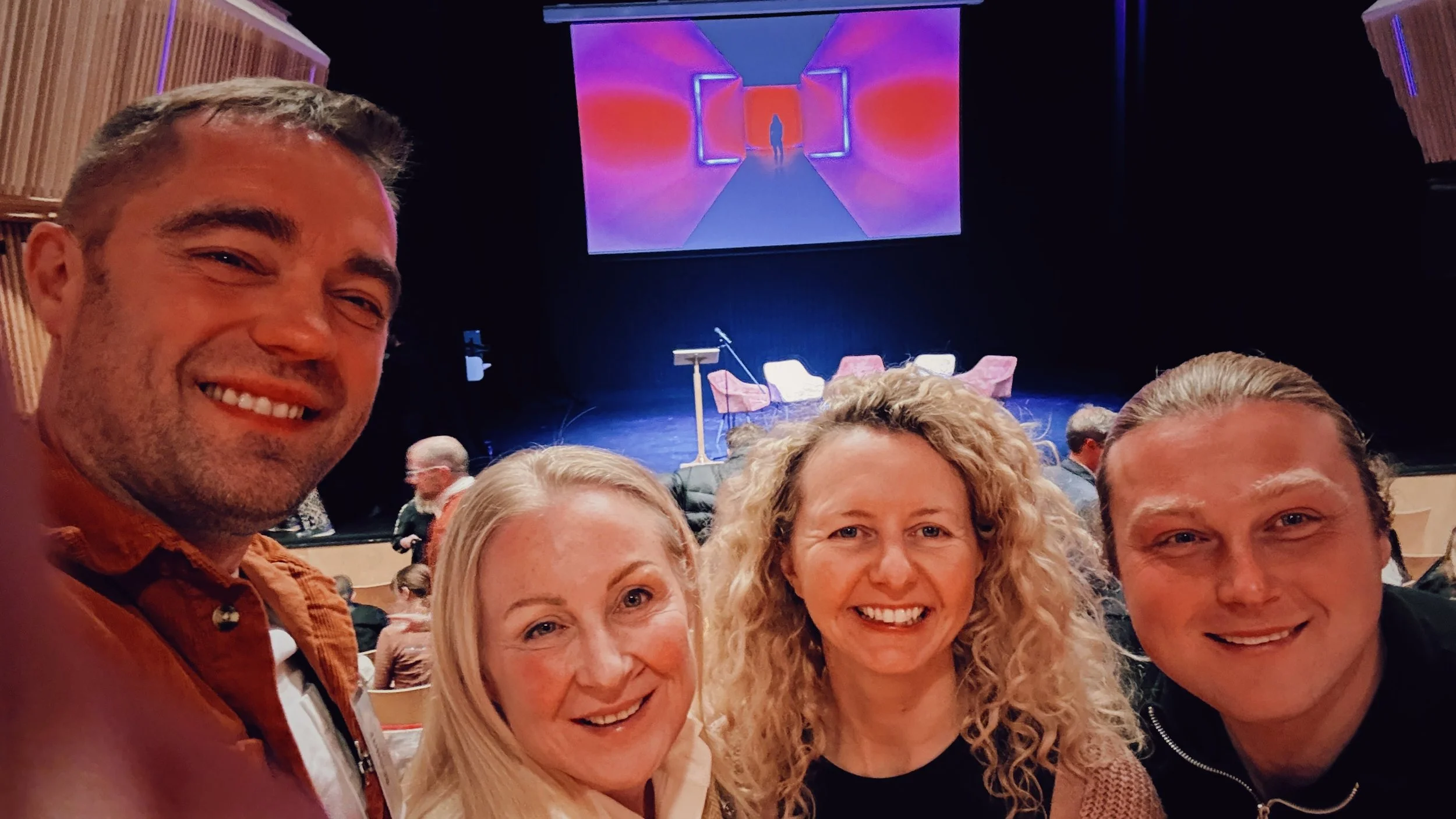
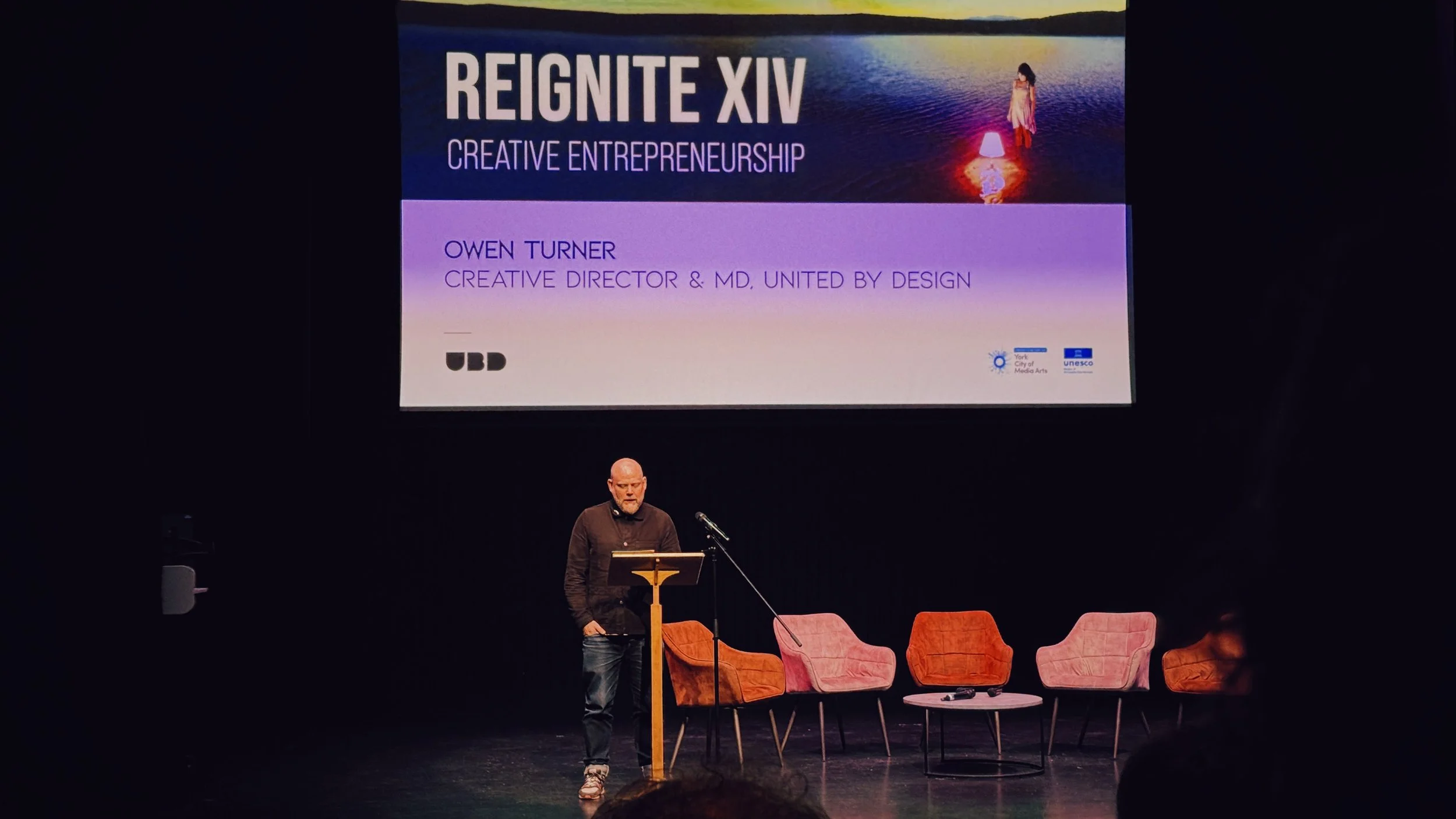
There are evenings you pencil into the diary and evenings that turn out to matter more than you expected. On Tuesday was the Reignite XIV, held at the Creative Academy at York St John's, was firmly in the second camp.
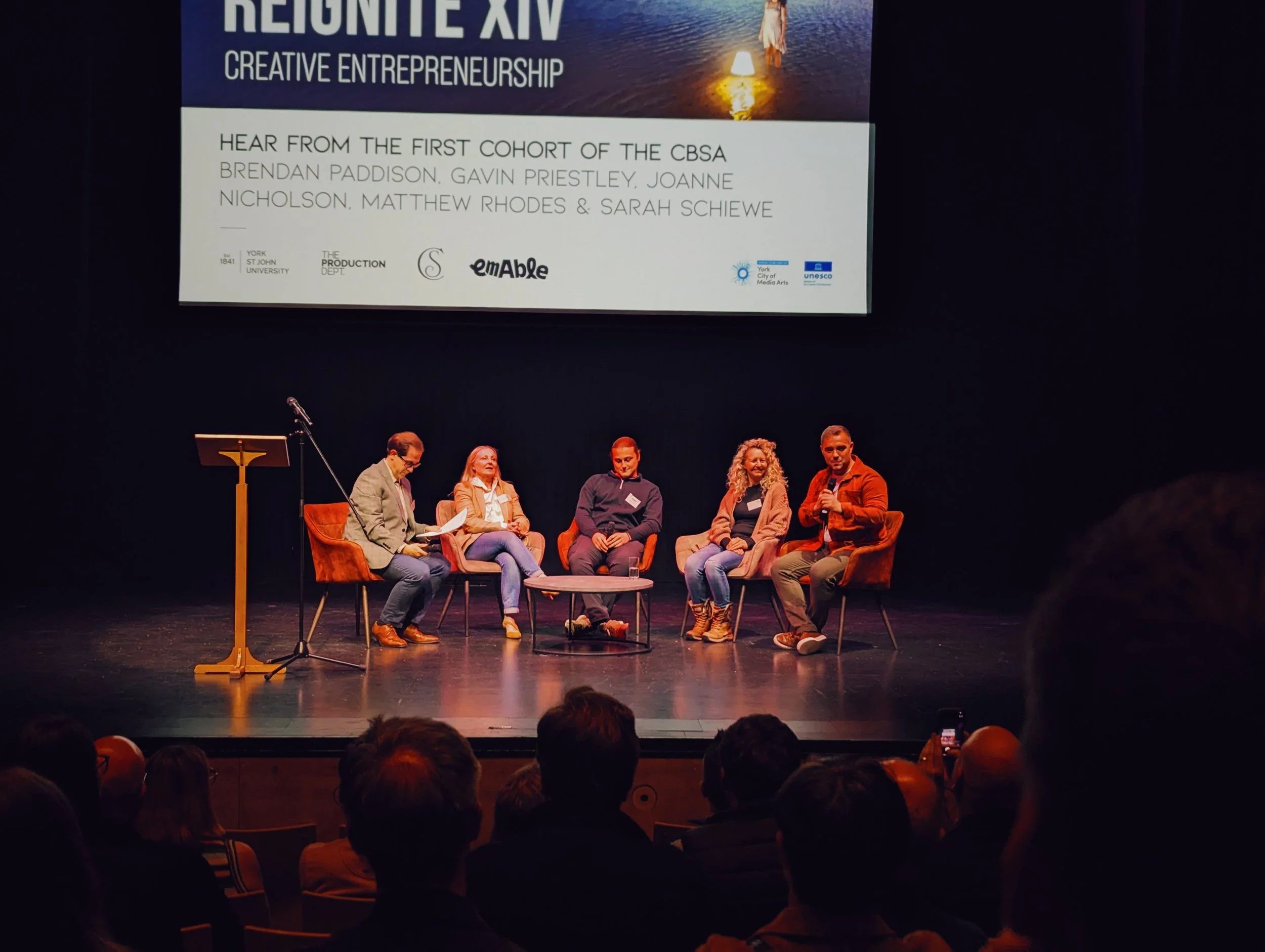
I was invited back as part of the Q&A panel — sitting alongside Matthew Rhodes and Joanne from Emable, and Sarah Schiewe of Sarah Schiewe Ceramics — to talk about the Creative Business Skills Academy and what the programme has meant in practice. It was a strange and rather wonderful thing to be sitting there, because not so long ago I was in the room as a participant, not a panellist. And before that, I wasn't sure I had any business being in either position.
Building The Production Dept.: From Sole Trader to Limited Company
When I joined the first cohort of the Aesthetica Creative Business Skills Academy, The Production Dept. didn't yet exist — not formally, anyway. What existed was Gavin Priestley Photography, a sole trader operation I'd been running alongside employment with some fairly significant names in the industry.
That's the part of the story that rarely lands the way it should in a brief introduction. For the better part of fifteen years, I'd been working across the UK and Europe — commissioning creative teams, managing productions, and delivering content for clients including Jet2.com, Jet2holidays, and National Highways. The freelance work ran alongside that, building quietly on the side. The experience was substantial. The problem was the way it was being read by the outside world.
Because from the outside, Gavin Priestley Photography looked like a freelancer. An individual. Someone you'd bring in for a shoot and move on from. What that framing didn't capture was the scale and complexity of what I'd actually been doing — the coordination, the commissioning, the production management across multiple locations and teams. The gap between perception and reality was real, and it was costing me in ways I was only beginning to properly acknowledge.
The Production Dept. was the answer I'd been circling for a while. A limited company, properly structured, that reflected what I was actually capable of delivering — not just a name change, but a genuine repositioning. The idea was there. What I needed was the space and the framework to commit to it.
What the programme actually did
The Creative Business Skills Academy gave me both. The twelve weeks, developed alongside York St John's York Business School, weren't about teaching me the craft — I had fifteen years of that. They were about giving me the business foundations to match it. Holistic business planning, client relationships, lead generation, sustainable growth — topics that can sound dry in a prospectus but land very differently when you're working through them alongside people navigating the same pressures.
The cohort element mattered more than I anticipated. There's something specific about being in a room with other creative professionals who understand the particular tension of doing creative work commercially — the challenge of being taken seriously as a business rather than a pair of hands for hire. Cherie Federico brought genuine expertise and a no-nonsense clarity to the mentoring side of things, and the conversations during those twelve weeks, both in sessions and around the edges of them, were consistently useful.
By the end of the programme, The Production Dept. wasn't just an idea I was carrying around. It was a limited company, with a clearer sense of its market, its positioning, and the kinds of clients it should be going after.
What's changed
I want to be careful here, because it's easy to overstate these things, and I'd rather be honest about it. The programme didn't hand me a client list or guarantee anything. What it did was help me build something more considered than what I'd had before — a business that reflects the actual scope of what I do, rather than underselling it through an outdated structure.
Since establishing The Production Dept. as a limited company, the positioning has shifted noticeably. The conversations with potential clients are different. The content strategy we've built — including the blog work and the SEO thinking behind targeting specific sectors like travel and walking holiday brands — is something we're developing with proper intent, rather than on instinct. The sectors we focus on, the way we approach client relationships, the direction of the business — these feel deliberate now in a way they didn't before.
It's still a work in progress. I suspect it always will be. But it's a considered work in progress, which is a different thing.
York and North Yorkshire's Creative Economy: What's Really Being Built
What made last night particularly striking was hearing from those working at a regional level on what York and North Yorkshire could genuinely become as a creative centre. Cherie Federico, Professor Brendan Paddison, Owen Turner from United by Design, and North Yorkshire Mayor David Skaith all spoke with a clarity of ambition that was difficult to be unmoved by.
York already holds a UNESCO City of Media Arts designation — the only UK city to do so. Alongside that, there are serious initiatives taking shape: XR Stories driving immersive technology innovation at the University of York, One Creative North building cross-regional business networks, the York & North Yorkshire Growth Hub supporting SMEs and freelancers, and real funding flowing through the Combined Authority into cultural development and skills programmes. This isn't aspiration dressed up as policy. There is genuine momentum here, and it's been building for a while.
For a business like The Production Dept. — rooted in Yorkshire, working across the UK — that matters. The ecosystem around us is developing. The talent, the clients, and the collaborators are increasingly likely to be here, or to know that this region is worth paying attention to. For those of us who've been here all along, that's a satisfying thing to watch.
To the new cohort
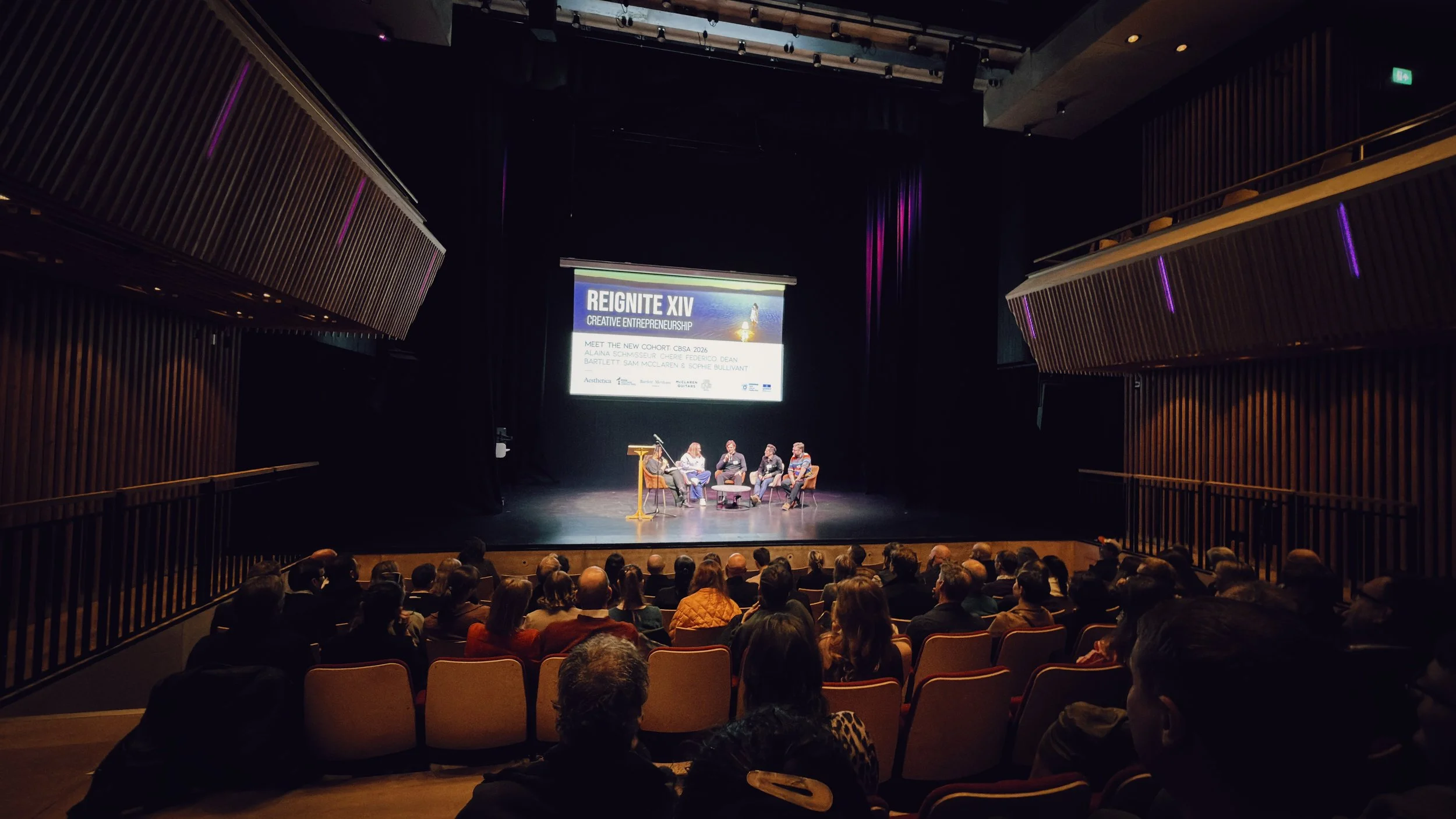
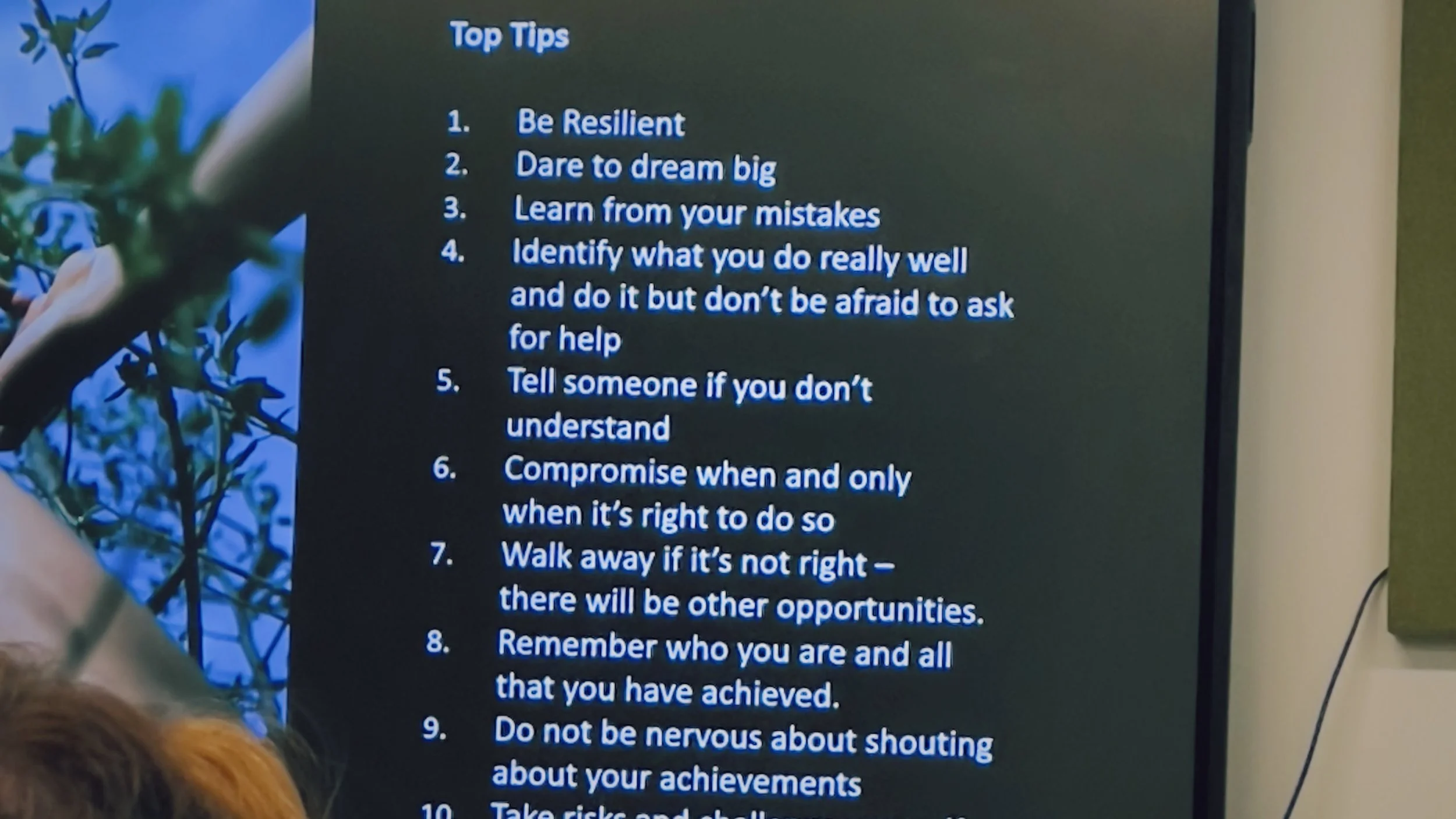
If you're just starting the programme, take it seriously — but don't expect it to do the work for you. What it gives you is clarity, community, and a set of tools that are genuinely useful. What you build with those is still down to you.
The creative industries in York and North Yorkshire are in an interesting moment. The infrastructure is arriving, the investment is following, and the people in this region are committed to making something real of it. Last night made that very clear.
I'm glad to be part of it. I was glad to be in that room at the start, and I was glad to be back in it on Tuesday.