
How St Leonards Hospice Turned a Communications Challenge into Content That Moved People
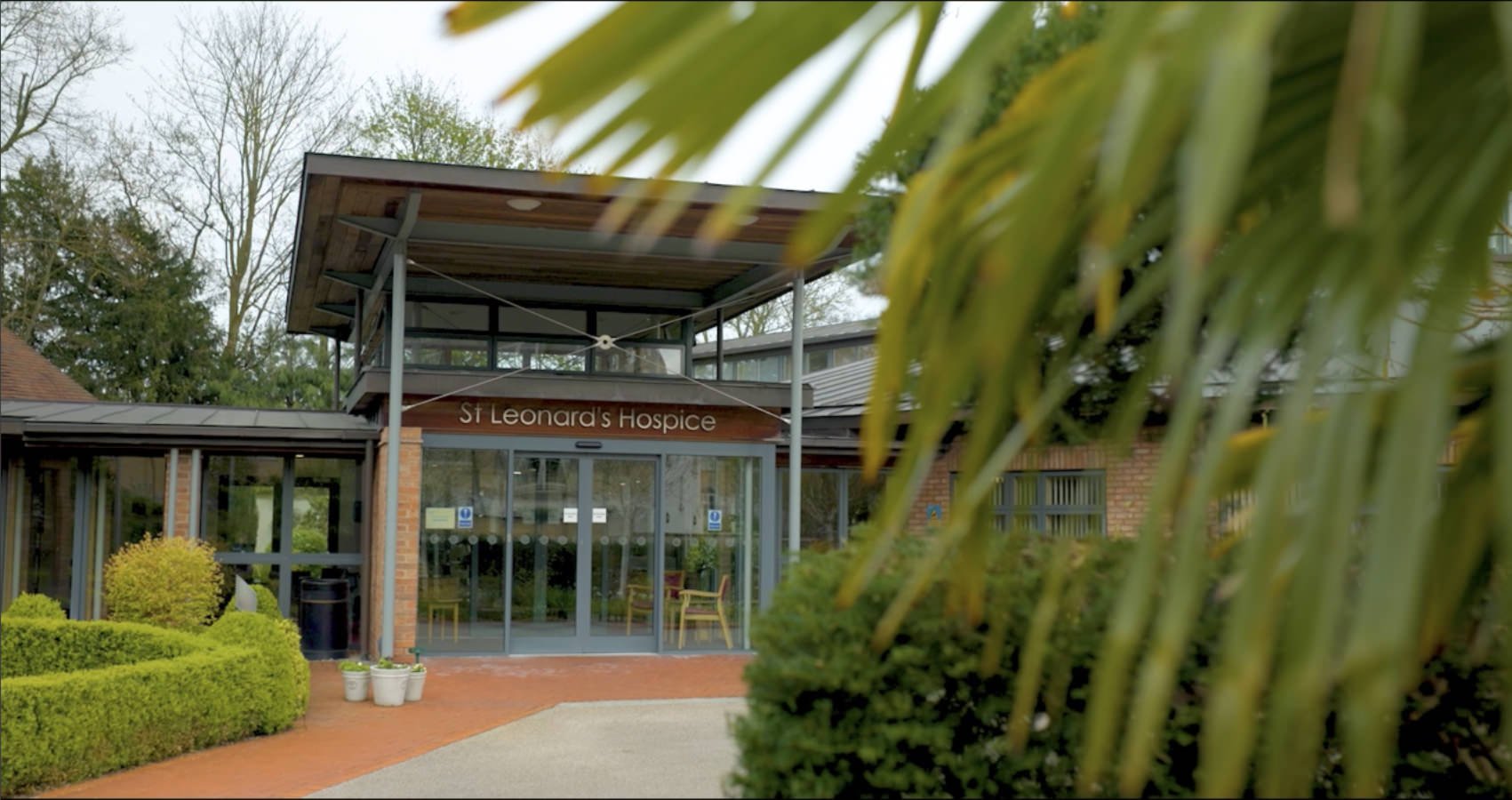
Most charities know they have a story worth telling. The harder question is how to tell it in a way that reaches beyond the people who already know you — and moves the people who don't to actually do something. Donate. Volunteer. Remember you in a will. Share your content with someone who needs what you offer.
That's not a creative problem. It's a communications problem. And it's one that St Leonards Hospice in York faced with real clarity when we first started working together.
The Challenge
St Leonards Hospice does extraordinary work. Their care-at-home teams support patients and families through some of the most difficult experiences a person can face. Their support groups bring together people living with terminal illness and give them something genuinely valuable — community, understanding, and the knowledge that they're not alone. And their legacy giving programme helps donors leave a meaningful contribution that continues that care long after they're gone.
The challenge wasn't that people didn't value the hospice once they understood what it did. The challenge was awareness — and the gap between what the hospice actually does and what the wider public understood it to do. For many people, a hospice is somewhere you go to die. The reality of St Leonards — the home care visits, the support groups, the community presence, the life lived well right up until the end — was not widely understood. And content that didn't exist couldn't change that.
What they needed wasn't a single promotional video. They needed a body of content that could tell different parts of their story to different audiences, across the platforms those audiences actually use, in a way that felt honest rather than produced.
The Approach — Three Films, Three Audiences
Rather than attempting to tell the whole story in a single piece, we worked with St Leonards to develop three distinct films, each targeting a different audience and a different part of the hospice's work.
Film One — The Home Care Team
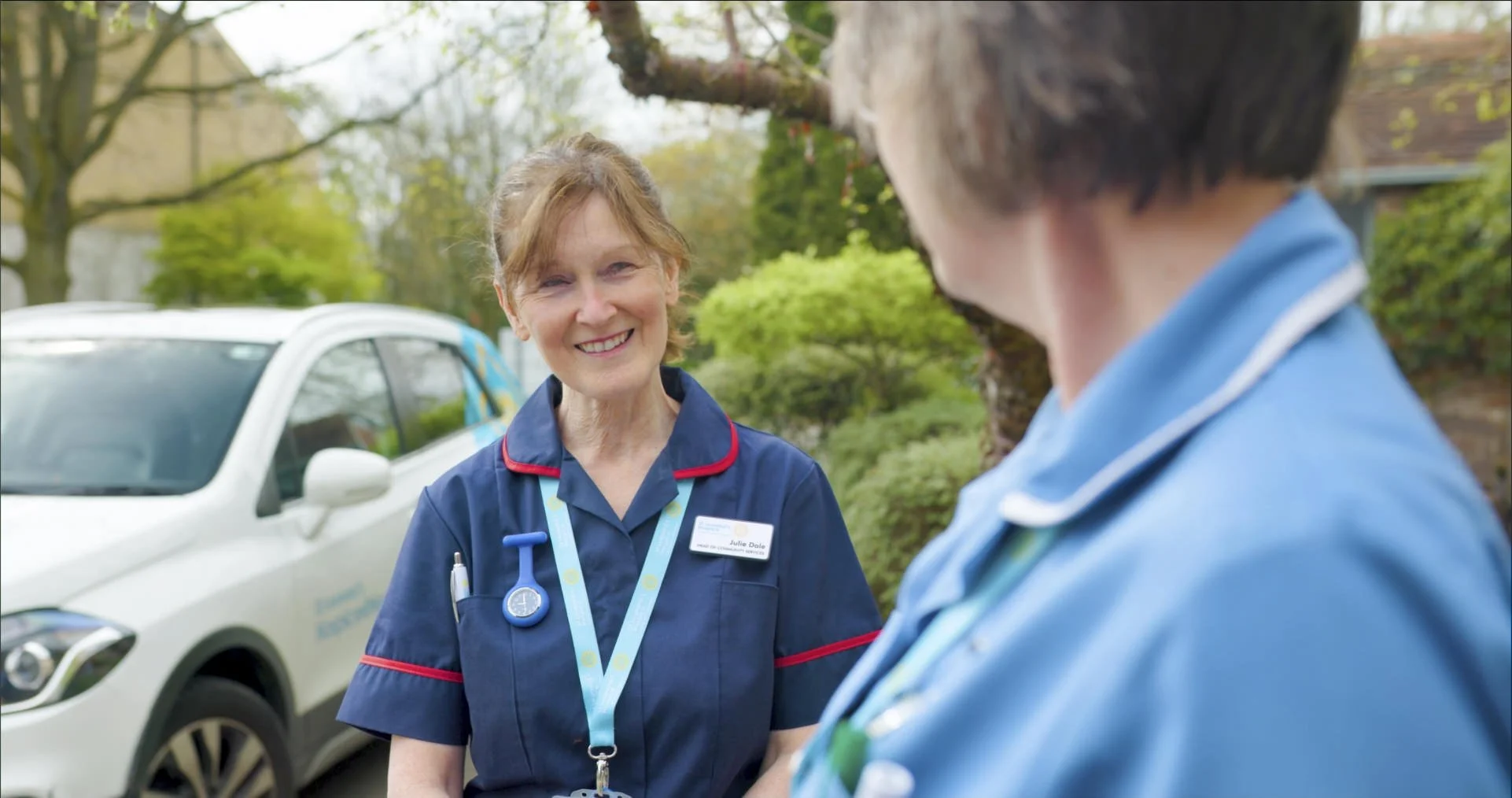
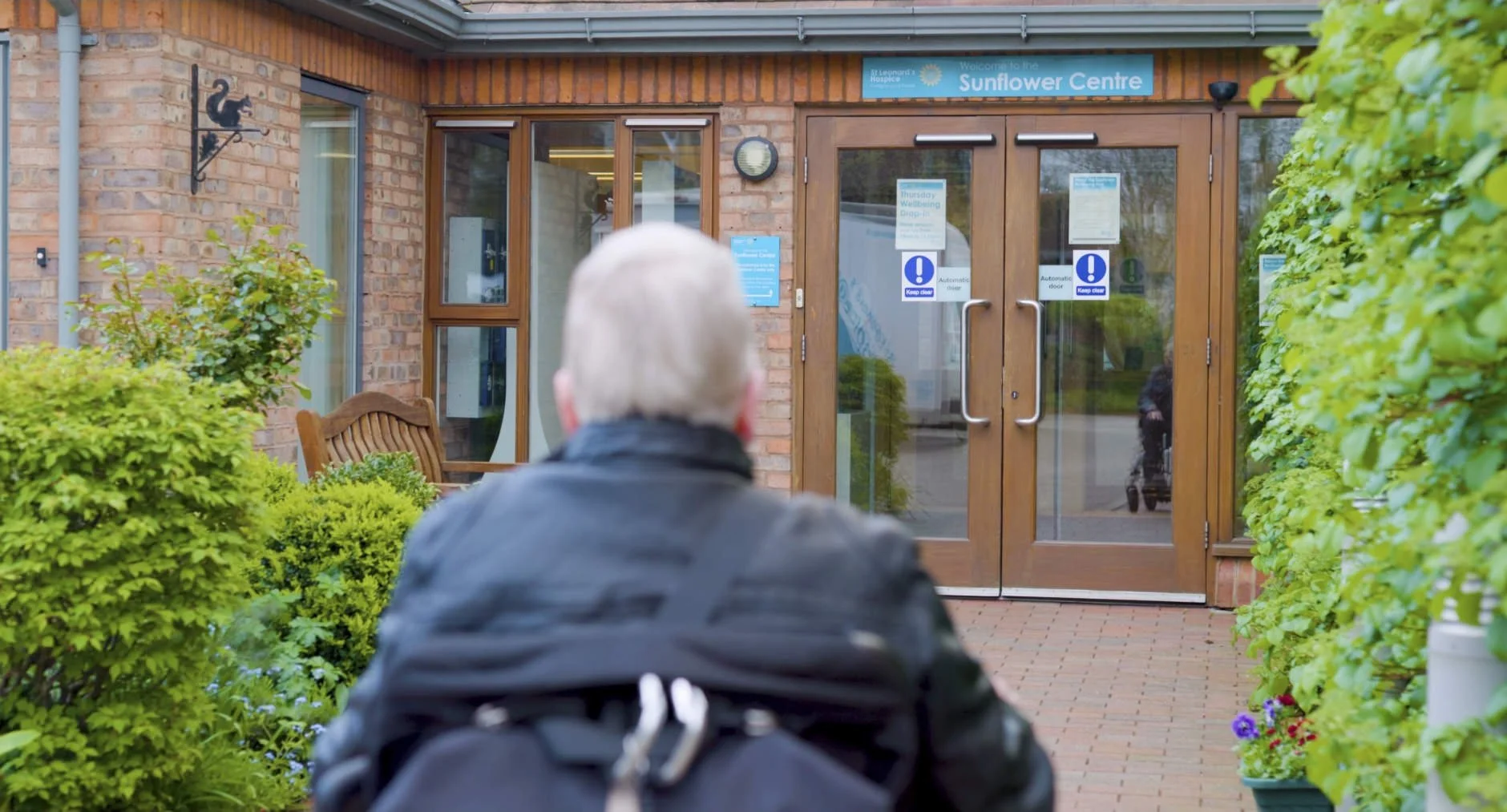
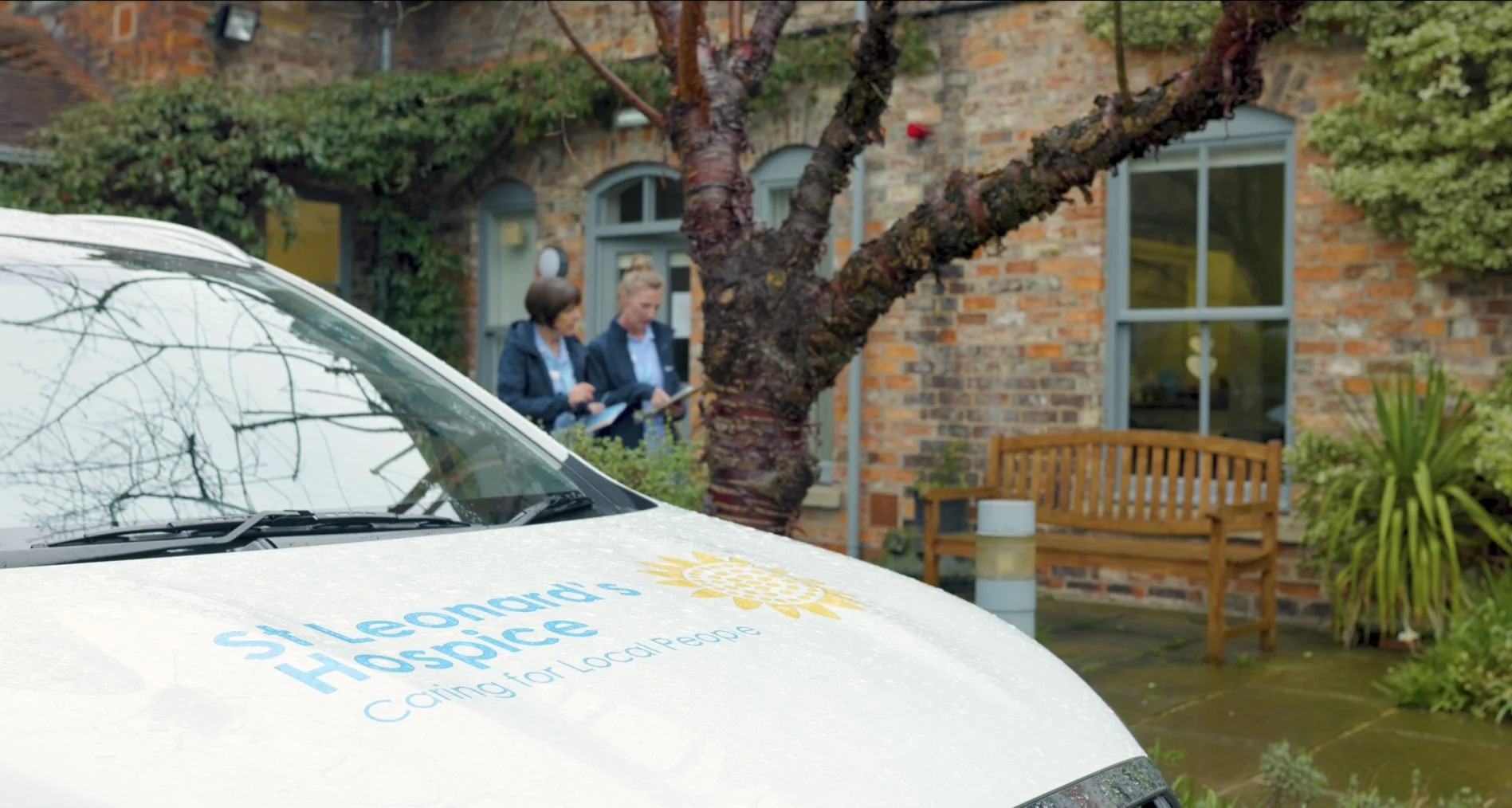
The first film focused on the hospice's care-at-home team — the nurses and support workers who visit patients in their own homes, often becoming a central presence in the lives of both patients and their families during an incredibly difficult time.
The film followed the team on their rounds, heard from patients and carers about what that support meant in practice, and captured the warmth, professionalism, and genuine compassion that defines how they work. The target audience was the wider public — people who might need these services themselves or for a family member, and who needed to understand that the hospice's support extended far beyond its walls. The outcome was a piece of content that reached well beyond the hospice's existing supporter base and significantly increased awareness of the care-at-home service among people in the local community who simply hadn't known it existed.
Film Two — The Local Support Group
The second film told the story of the hospice's support group — a regular gathering for people living with terminal illness, where connection, conversation, and shared experience provide something that clinical care alone cannot. This film was deliberately intimate. It let the participants speak for themselves, in their own words, about what the group meant to them. No voiceover. No presenter. Just people, talking honestly about something that matters enormously to them.
The audience for this film was twofold — people who might benefit from the group themselves, and potential supporters and donors who needed to understand the full breadth of what the hospice provides beyond end-of-life care. Seeing real people talk openly about finding strength in togetherness does something no amount of statistics or organisational messaging can replicate. It makes the abstract concrete. It makes the distant personal.
Film Three — Legacy Giving
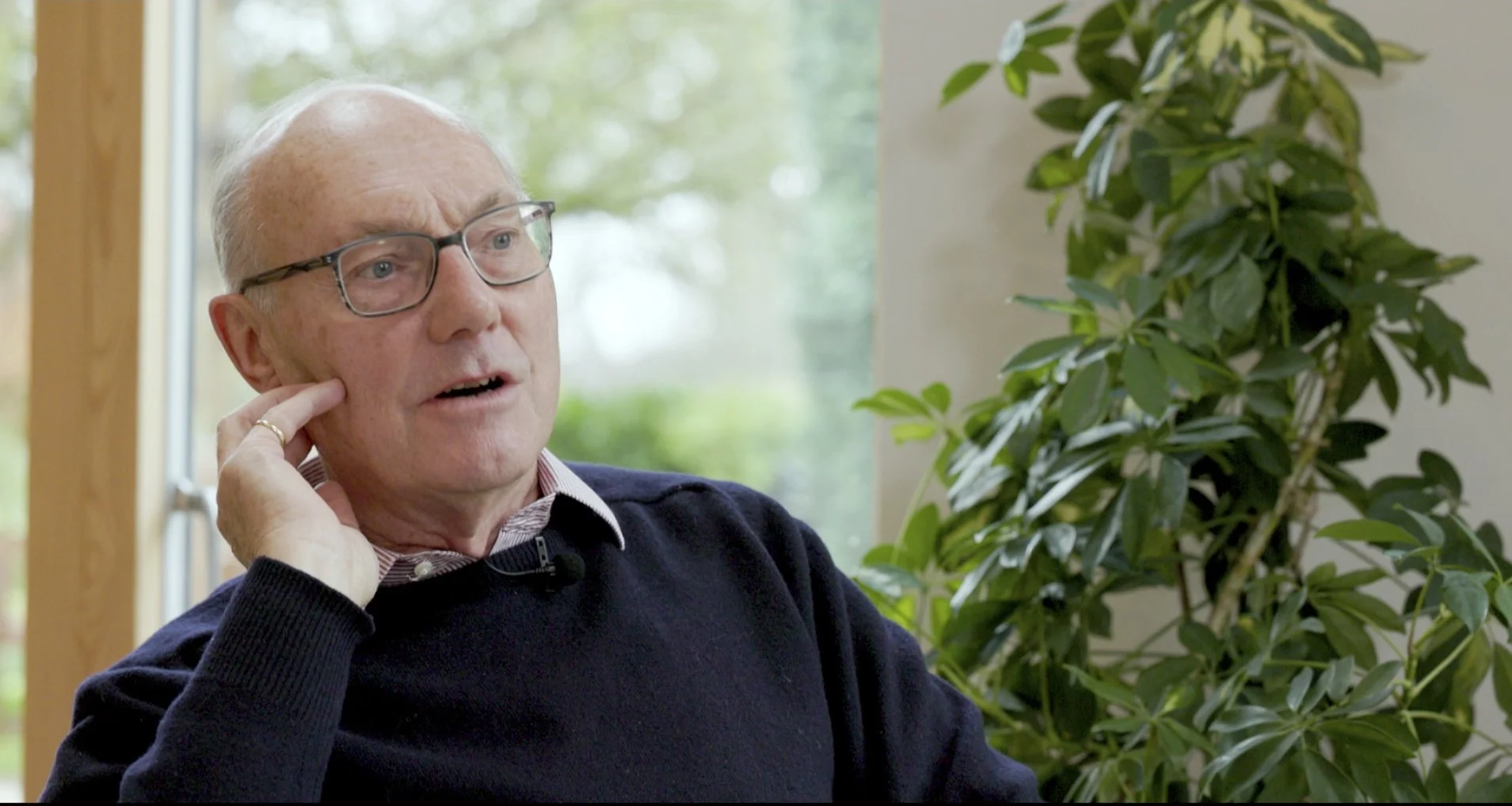
The third film was the most structurally ambitious of the three. It told the story of one man's experience with St Leonards — the support the hospice had provided to someone he loved, and his decision to leave a gift in his will to ensure that support continued for others. Legacy giving is one of the most significant income streams for hospices and one of the most difficult to communicate sensitively. It requires content that acknowledges loss without dwelling in grief, that makes the act of giving feel meaningful rather than transactional, and that treats the subject with the dignity it deserves.
This film did all of that. And it did it by simply following one person's story honestly, from beginning to end, and letting the audience draw their own conclusions about what they might want to do.
What the Progression Did
Taken together, the three films gave St Leonards something more valuable than a single high-production showpiece. They gave the hospice a content toolkit — different films for different conversations, different audiences, different moments in the donor and supporter journey.
The home care film raised awareness among people who didn't know the service existed. The support group film deepened understanding among people who already knew the hospice but didn't appreciate the full scope of its community work. The legacy film spoke to a specific audience at a specific moment — people who had been touched by the hospice's work and were ready to think about how they could give something back.
Each film was delivered in formats ready for the hospice's website, social media channels, and email communications — so the content worked across the platforms where their audiences actually are, rather than sitting in a single location waiting to be found.
The result was a significant increase in public awareness of the hospice's services across all three areas — awareness that translated into increased engagement, deeper supporter understanding, and a broader public conversation about what St Leonards actually does and why it matters.
What This Means for Your Charity
If you're a communications manager or fundraising director reading this, you'll recognise the challenge St Leonards started with. Most charities have it. The work is extraordinary. The story is there. The difficulty is finding a way to tell it that reaches beyond the choir — the existing supporters, the regular donors, the people who already believe in what you do — and connects with the people who don't know you yet.
Video content does that better than almost anything else. Not because it's flashy or expensive, but because it puts real people in front of real audiences and lets them speak for themselves. It makes the work visible. It closes the gap between what your organisation does and what the public understands it to do.
The key is approaching it strategically rather than reactively — thinking about who you're trying to reach, what you need them to understand, and what you'd like them to do as a result. That thinking happens before the camera comes out. The filming is the easy part.
If you're thinking about how video content could work for your charity — whether that's a single film or a body of work like St Leonards built with us — we're happy to have that conversation. No obligation. Just a proper chat about what you're trying to achieve and whether we might be able to help.