
2026 Travel Marketing Trends: Content That Books
Why people are travelling the way they are in 2026
We make pictures for a living, but the reason people travel isn’t visual. It’s feelings: belonging, wonder, quiet, competence, safety, a sense of “this is who I am.” The trends below aren’t fads so much as patterns in human behaviour. If you’re running a destination, a venue or a hotel, reading the why behind each one makes the decisions easier. None of this is a sales pitch. It’s a shared map of what travellers keep telling us—sometimes out loud, often with their behaviour.
We’re The Production Dept.—a Yorkshire-based creative production company with a global reach, making photography, video and content for destinations, hotels and travel brands. Our thing is doing the beautiful bits and the boring bits: planning, permits, crew, logistics and insurance, so your team can focus on the visitor.
Travel isn’t a new lane for us—it’s a focus. Between us we’ve got 35+ years working across travel, government, corporate, charity and NGO projects. That means we’re comfortable juggling tight windows, multi-location shoots and all the moving parts that come with tourism work—location scouting, risk assessments, way-finding, accessibility and clear comms on the day. Friendly, down-to-earth, and properly Northern.
So, below are the trends that travellers are looking for in 2026 and beyond.
Event-first trips (“Fan Voyage”)
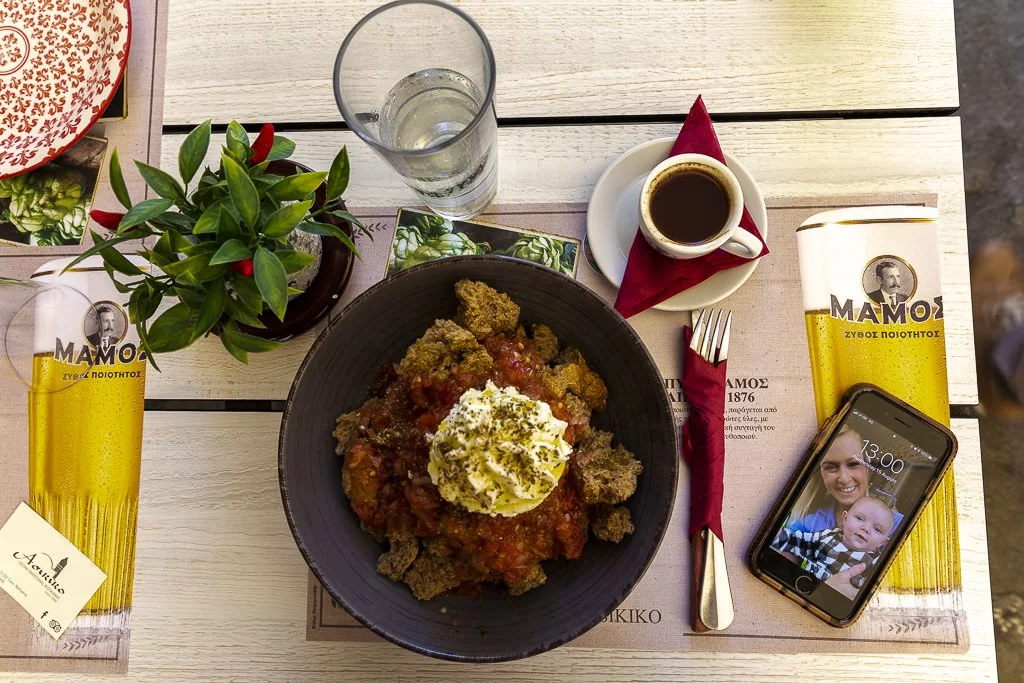
People don’t just visit cities; they show up for rituals. A match, a parade, a concert—these are permission slips to belong for a day. The 90 minutes before the whistle is where the memory forms: the walk through backstreets, the food stall everyone swears by, the chant a stranger teaches you. What travellers are really asking for: “Where do I stand, what do I eat, and how do I blend in without feeling foolish?” Low-hanging fruit: make the pre-game path obvious, celebrate supporters’ rituals, and show first-timers how to do it right.
Set-jetting (stepping into a story)
This is identity in motion. When a show or film lodges in your head, you don’t just want to see the location—you want to inhabit the frame. Set-jetters are seeking emotional continuity: the exact angle, the colour, the light of a scene they already care about. What they’re asking for: “Which street corner matches the shot? Where do I stand? What’s nearby that keeps the feeling going?” Low-hanging fruit: simple, respectful “how to find the shot” guidance and small local businesses that extend the story instead of breaking it.
Quiet, Whycations and Skillcations
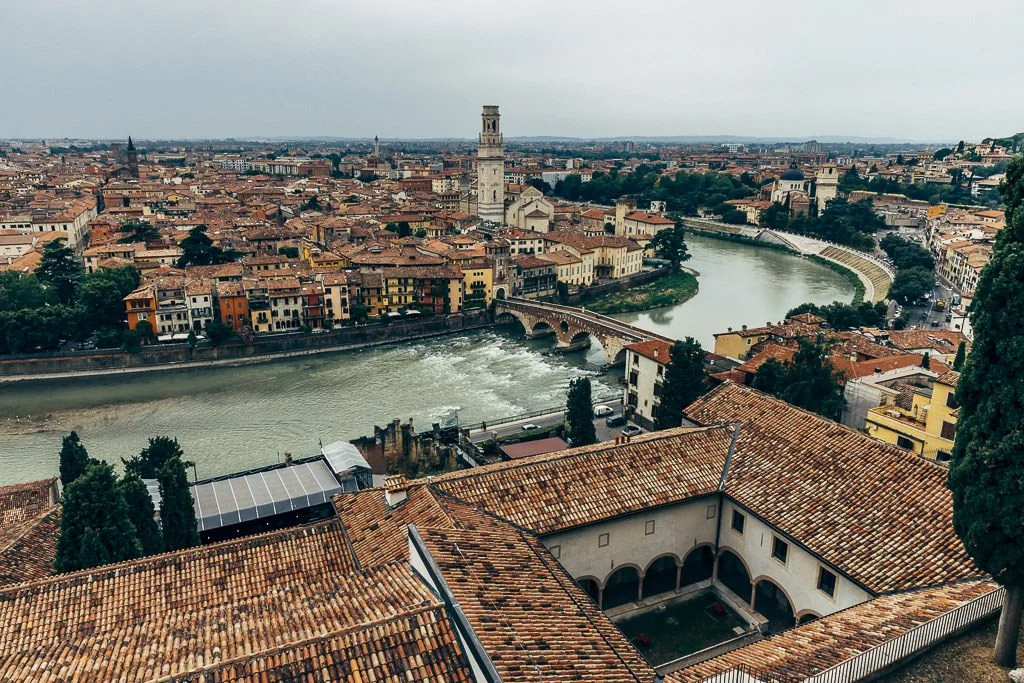
After years of noise, people crave environments that don’t demand anything from them. Quiet isn’t the absence of sound; it’s the absence of pull. Add purpose and you get Whycations: time to practise or learn one thing without being rushed. The deeper need here is agency—choosing your inputs, not having them chosen for you. What travellers are asking for: “Will I be able to hear myself think? Can I leave better than I arrived?” Low-hanging fruit: genuine quiet hours, spaces designed for one activity, slow rituals (a kettle, a bench with a view, a notebook within reach).
Rail revival and the art of getting there
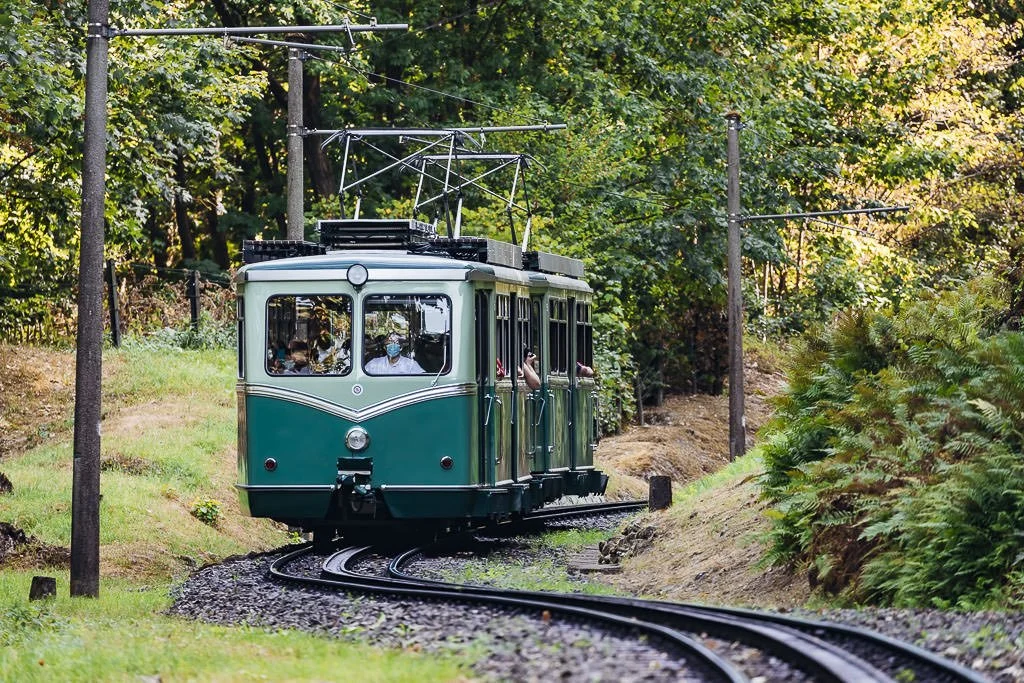
Trains create the kind of time modern life edits out: a moving room where you can look out of a window and think. The romance isn’t luxury for its own sake; it’s uninterrupted attention. Multi-stop rail trips add a sense of authorship—curating a sequence of places at human speed. What travellers are asking for: “Which side has the view? Where do I change with the least stress? What’s worth breaking the journey for?” Low-hanging fruit: seat-side tips, platform-level wayfinding, and honest guidance on the small, beautiful stops.
Salvaged stays and the hotel hop
We’re drawn to places with a past because they let us step into a story bigger than ourselves. Repurposed banks, stations or jails satisfy curiosity (“what was this before?”) while the hotel-hop instinct says: a city isn’t one thing. Sampling two or three neighbourhoods in a single stay is a way to test identities safely. What travellers are asking for: “What does this building remember? How do these areas feel different?” Low-hanging fruit: short, human histories, side-by-side neighbourhood notes, and transitions that help guests feel the contrast rather than just read it.
Readaways (choosing depth over noise)
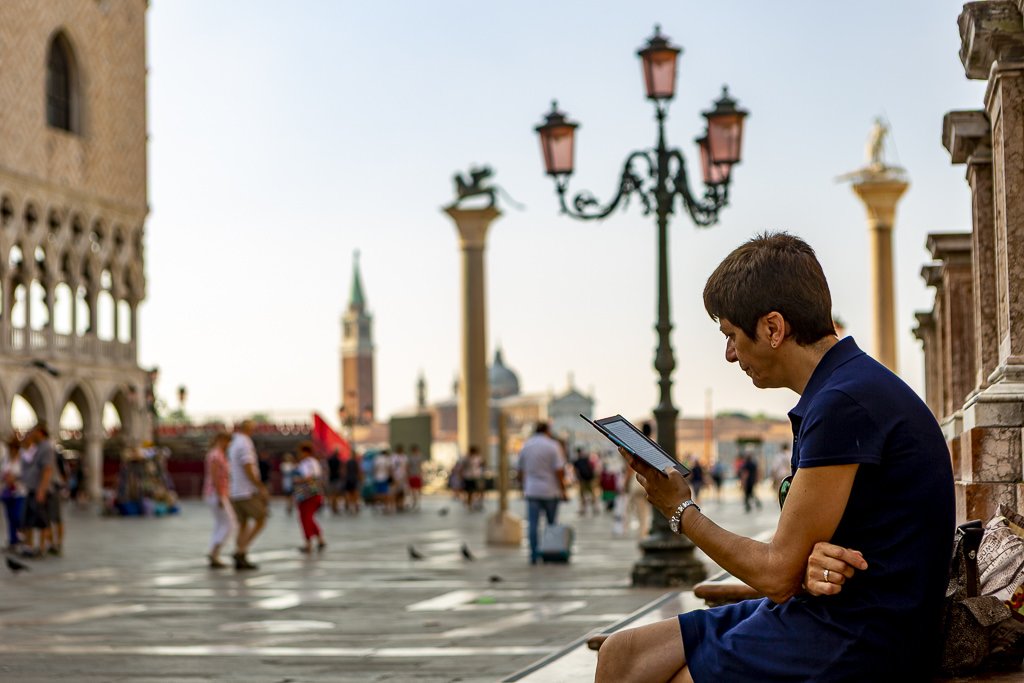
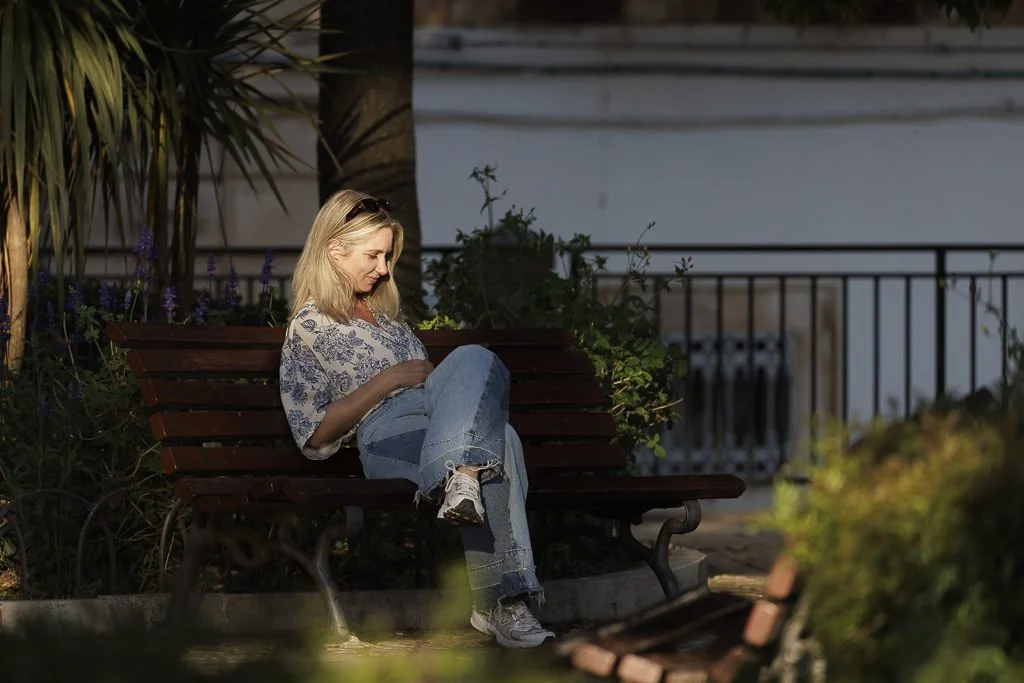
Reading-centred trips are a quiet rebellion against scroll culture. People don’t travel to avoid their phones; they travel to earn the right not to need them. The pleasure comes from deep attention—one chair, one book, one hour that isn’t interrupted. What travellers are asking for: “Will this place help me pay attention to what matters?” Low-hanging fruit: warm, simple reading spaces; a tiny, curated library; and a “bring one, leave one” shelf that turns guests into contributors.
Travelling with pets (the pawprint economy)
Pets aren’t luggage; they’re family. Bringing them along isn’t indulgence, it’s wholeness. The emotion underneath is worry—“Will my animal be safe and comfortable?”—and the relief when a place answers every practical step. What travellers are asking for: “How do we move, sleep and eat together without stress?” Low-hanging fruit: crystal-clear do’s and don’ts, safe relief areas, honest room layouts, and a list of nearby vets that’s easy to find when you need it.
Innovation tourism (hope you can walk through)
People travel to see the future because it makes the present feel less random. Factory tours, robotics demos, maker spaces—these scratch the itch for comprehension. The feeling is competence: “I understand what’s coming, and it’s exciting.” What travellers are asking for: “Where can I witness tomorrow being built, and how close can I get without being in the way?” Low-hanging fruit: simple explanations, viewing paths, and conversations with the humans behind the machines.
Border tech (clarity is a kindness)
New systems like Europe’s EES and the coming ETIAS haven’t just changed the queue—they’ve changed how people feel about crossing a border. Anxiety lives in the unknown. Clarity—what will happen, how long it will take, what to do next—is the product here. What travellers are asking for: “Tell me the steps in plain language, and tell me what to expect if something goes sideways.” Low-hanging fruit: pre-travel checklists that feel human, on-the-ground explainers in places where nerves spike (ports, stations), and information that updates as the system changes.
What this means for you
Across all of these, the through-line is simple: people want to feel like insiders, not spectators. They want friction removed without the magic being polished away. They want to choose their pace. Wherever you sit—board, council, operator, hotel—designing for the human reason behind the trend is how you move from marketing to meaning. Sometimes that’s a sign at the right moment. Sometimes it’s a local voice that teaches a chant or shows a shot. Sometimes it’s a bench near a window.
Fancy a chat about making your place easier to love?
Need content that actually moves visitors? We capture the story and run the whole production end-to-end—location scouting to post—so your team can focus on guests. Simple, seamless, stress-free.
Plan my shoot
Source roll-up
Expedia Unpack ’26 — Fan Voyage: 57% likely to attend a local sporting event.
Expedia Unpack ’26 — Set-Jetting: 81% of Gen Z/Millennials plan trips around film/TV; Yorkshire cited.
Hilton 2026 Trends — Whycation: 72% want time off to pursue a passion/hobby.
ABTA Travel Trends 2026 — Rail: Interrailing/rail cited as easy multi-stop, slow-travel mode.
Condé Nast Traveller — 2026 Trends: “Luxury train-hopping” named trend.
Amadeus x Globetrender 2026 — Innovation Tourism: Shenzhen searches +48% H1 2026; Pawprint Economy.
EU / ABTA — Border tech: EES 12 Oct 2025 → fully operational by 10 Apr 2026; ETIAS Q4 2026.